Ceremony, Ritual, and Identity
Across West Africa, tribal ceremonies mark the moments that matter most in community life — births, coming-of-age, marriage, harvest, and the honoring of ancestors. These ceremonies are rarely just performance; they carry the history, values, and spiritual beliefs of a people forward from one generation to the next, binding a community together through shared ritual.
Ritual as Living History
Traditional rituals often center on rites of passage — moments when a person moves from one stage of life into another under the recognition of their community. Drumming, chanting, and communal gathering are common threads across many West African traditions, even as the specific practices vary widely between peoples and regions. These rituals function as a form of oral history, preserving knowledge and belief systems that were never written down but were instead danced, sung, and performed into memory.
Hairstyles as Cultural Expression
Traditional African hairstyles carry meaning well beyond style. Braiding patterns, adornments, and specific styles have historically signaled a person's age, marital status, community, and social standing. Elaborate, time-intensive styles were often reserved for ceremonial occasions, turning hair itself into a form of visual storytelling passed down through generations of women in a family or community.
Dance as Communal Expression
Dance runs through nearly every major ceremony and ritual across West African cultures — celebratory, spiritual, and sometimes both at once. Movement, rhythm, and music work together to mark occasions, tell stories, and bring a community into shared physical and emotional experience. That same rhythmic, communal energy carries directly into the African diaspora's musical traditions, including the jazz and blues rooted in the American South.
Sculpture and Object as Ceremony
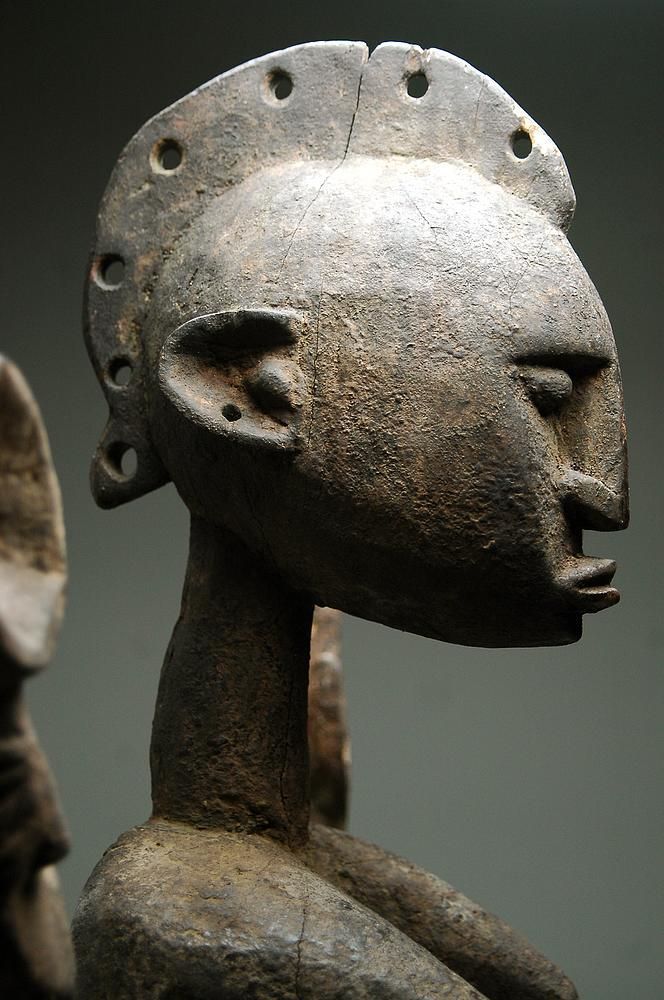
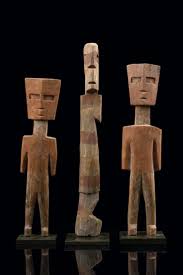
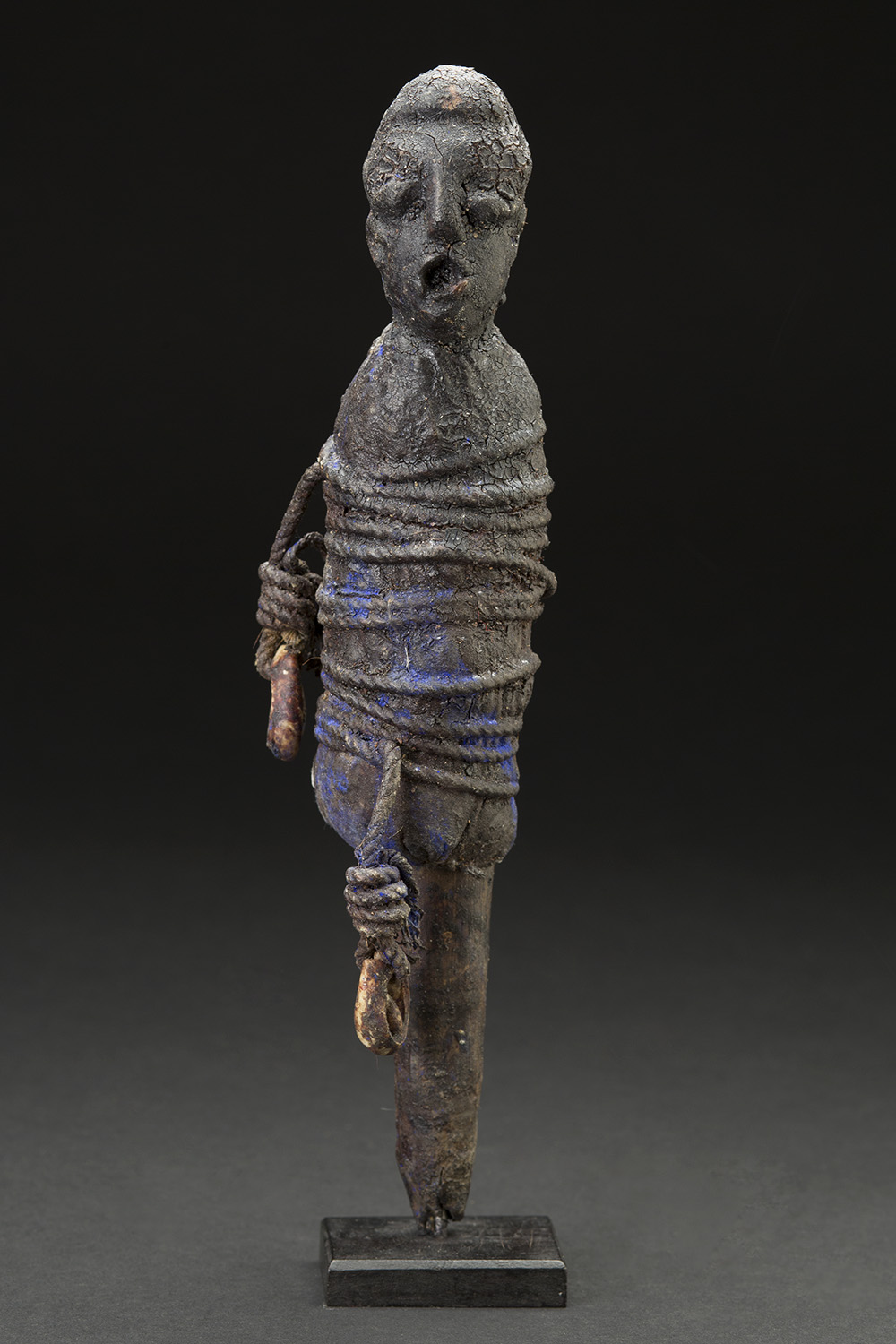
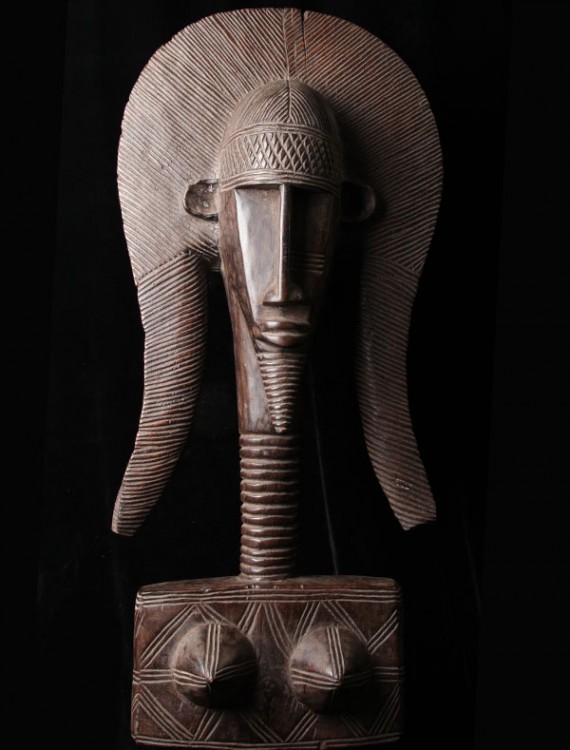
Ceremonial sculpture — masks, figures, and carved objects — plays its own role in many of these traditions, often standing in for ancestors, spirits, or communal values during a ritual rather than existing purely as decorative art. The forms, materials, and craftsmanship carried real meaning to the communities that made and used them, a tradition of purposeful, symbolic object-making that echoes in how visual artists today use form and material intentionally rather than decoratively.
A Living Tradition, Not a Museum Piece
It's worth noting that none of these traditions are frozen in the past. Ceremonies, hairstyles, rituals, and dance all continue to evolve within contemporary African and diaspora communities, adapting to new contexts while carrying forward the same underlying values of identity, community, and continuity across generations.
Where This Heritage Shows Up in Barksdale's Work
These traditions — ceremony, ritual, hairstyle, and dance — form part of the deep well of African heritage that runs through Corey Barksdale's African American art. His paintings and murals draw on that lineage, translating its color, rhythm, and symbolism into bold, contemporary visual work rooted in both African heritage and the American South.