Corey Barksdale Featured Projects
From the Page to the Public: A Vibrant Journey Through Visual Storytelling
Corey Barksdale is an Atlanta-based visual artist whose creative vision spans children's literature, television, cultural festivals, and large-scale mural installations.
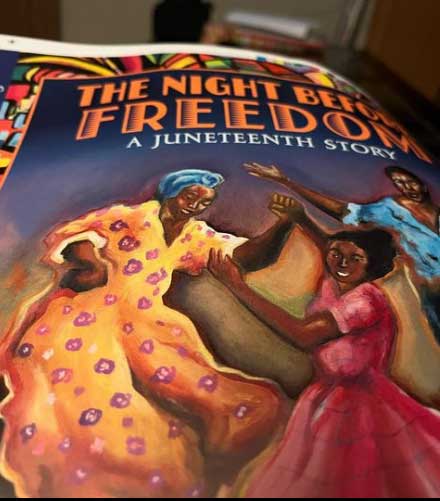
The Night Before Freedom — Cover Illustration
Featured on the cover of The Night Before Freedom: A Juneteenth Story , this illustration is a celebration of joy, liberation, and historical remembrance. Corey's vibrant and expressive figures dance across the page, capturing the emotion and cultural richness of Juneteenth. His work honors the voices of the past while making the story accessible and engaging for a new generation of readers.
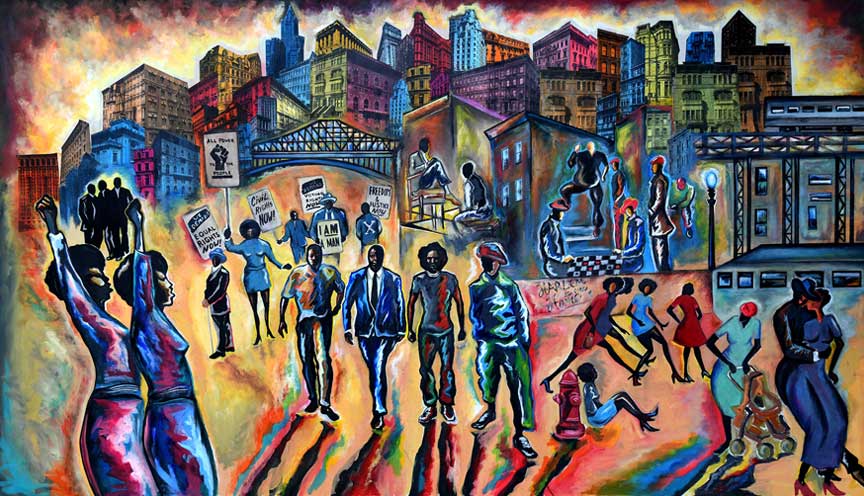
The Godfather of Harlem — Television Show Commission
Blandtown Mural — City of Atlanta FIFA World Cup Commission
Corey Barksdale was selected by the City of Atlanta to paint a large-scale mural in Blandtown, at Northside Drive and 17th Street, honoring the history of one of Atlanta's earliest African American neighborhoods as part of a citywide beautification effort ahead of the FIFA World Cup. See the full story on the Blandtown mural page.
Hartsfield-Jackson Airport Murals
Corey Barksdale's murals are installed in two locations at Hartsfield-Jackson Atlanta International Airport — the Signature Aviation Executive Terminal and the Concourse A food court — putting his work in front of millions of travelers. See the Hartsfield-Jackson airport murals page for the full story.
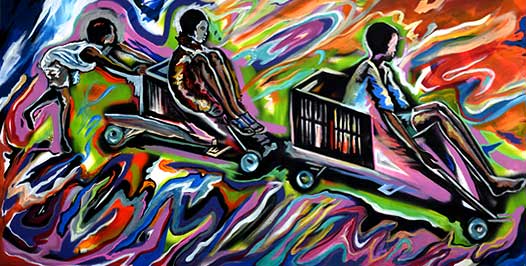
Push It Until You Can't No More — ELEVATE Atlanta Mural
Created for the City of Atlanta's ELEVATE Art Festival, this mural pulses with energy, motion, and urban soul. The piece features stylized figures riding carts with intense velocity, symbolizing forward momentum and the unstoppable drive of the Black experience in America. The swirling colors and kinetic lines reflect Corey's unmistakable style bold, fearless, and full of life.
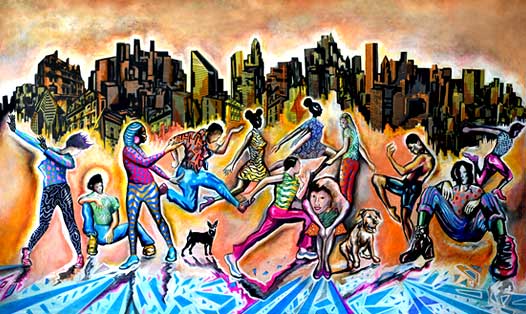
The Creation of Culture — Urban City Tale
Why Corey Barksdale's Work Matters
Each of these projects reflects Corey's commitment to amplifying the voices of the Black community through visual storytelling. Whether on canvas, brick walls, or in published media, his work captures not only the struggles but also the victories, the rhythm, and the beauty of African American culture.
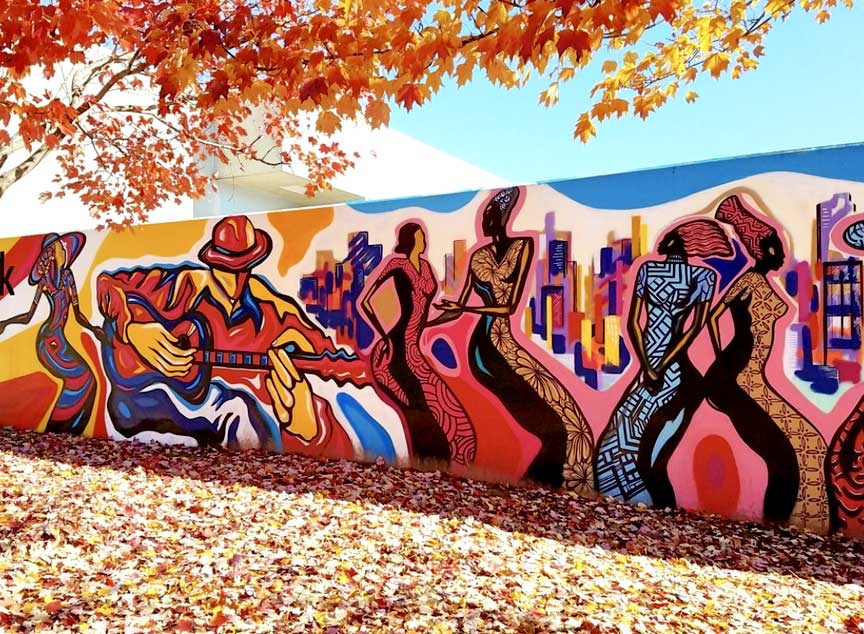
Corey Barksdale ELEVATE Atlanta Mural — the city's annual public art festival
Interested in commissioning Corey for your next book, campaign, or public art project
Email: clow2ground@gmail.com
Call: 615-601-2787
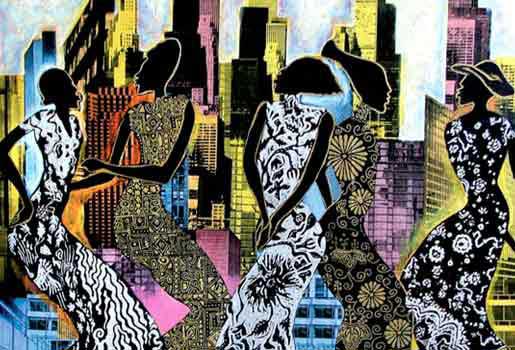
African American artists have helped shape the visual culture of the United States for centuries
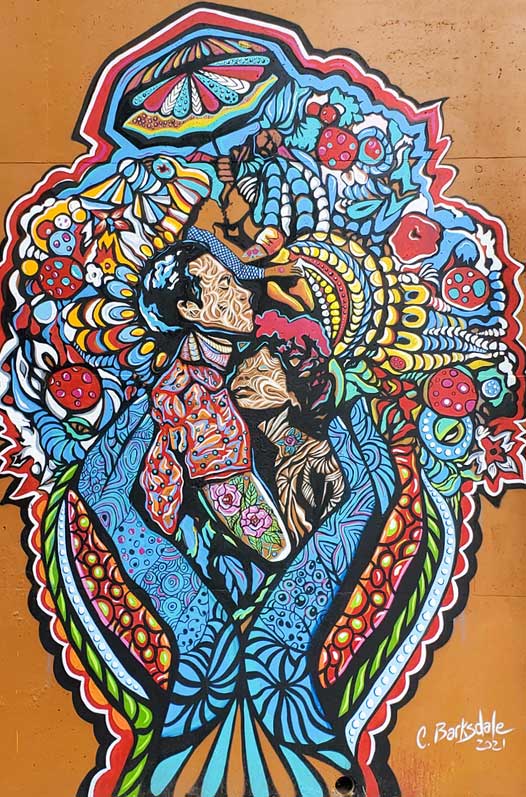
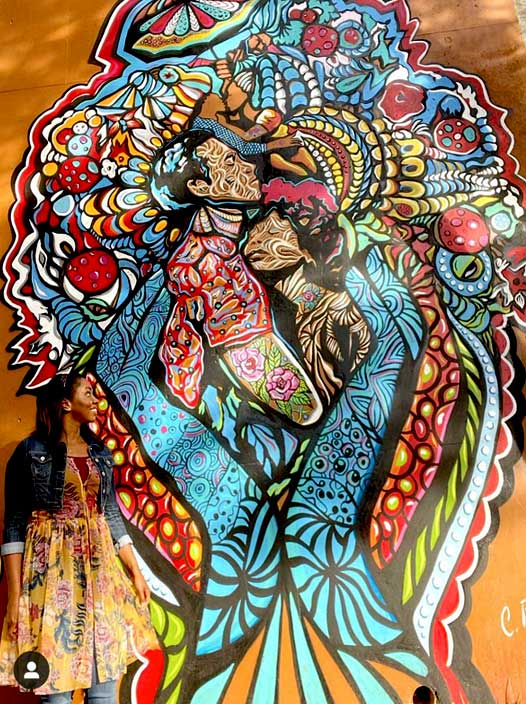
This vibrant mural by Atlanta visual artist Corey Barksdale lights up the streets of Cabbagetown, Atlanta, Georgia. With bold figures and fluid motion, this mural celebrates African American culture and community strength. Commissioned as part of a city beautification initiative, it exemplifies Barksdale's unique ability to fuse fine art with public engagement, making him a go-to name in Atlanta mural art.
Martin Luther King Memorial Mural — Dublin, Georgia
This monumental mural pays tribute to the birthplace of Dr. King's historic - I Have a Dream speech. With reverence and power, Barksdale captures the spirit of one of America's greatest leaders, ensuring that MLK's legacy remains etched in both memory and masonry.
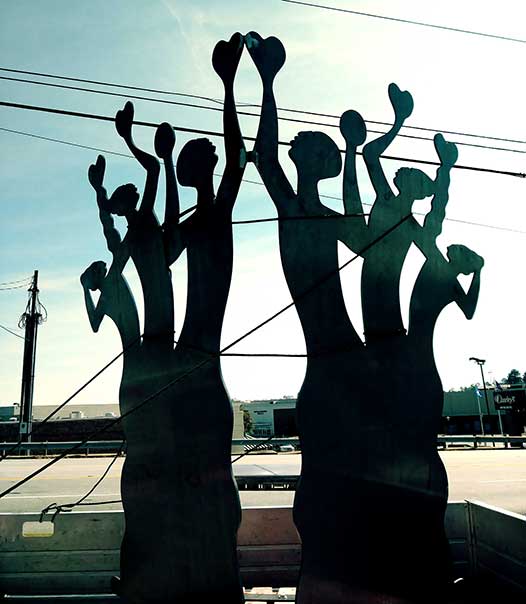
Located in Dublin, Georgia, this silhouette sculpture installation is one of Corey Barksdale's notable three-dimensional works. The sculpture features upward-reaching figures, symbolizing hope, community, and elevation. This installation marks Barksdale as not only a top Atlanta muralist but also a versatile public artist whose influence extends into sculpture and civic storytelling.
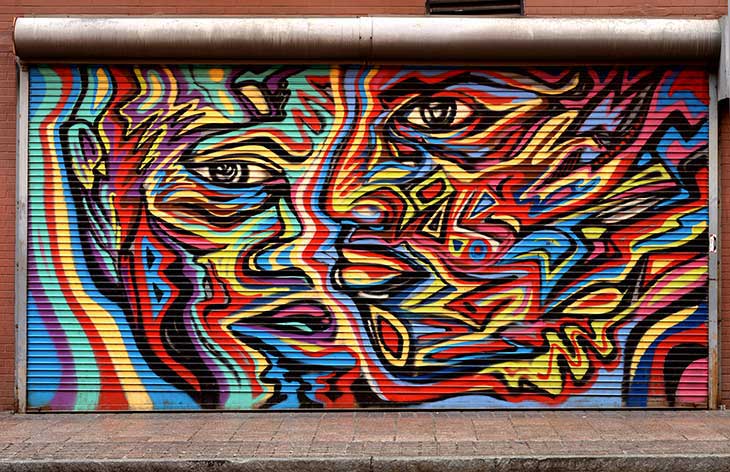
Underground Atlanta — Peachtree Street Mural
A cornerstone of the city's cultural revival, this mural transforms the Underground corridor into a celebration of Black identity, music, and community. Corey's signature use of geometry and expression creates a space that feels alive where past and future Atlanta co-exist.
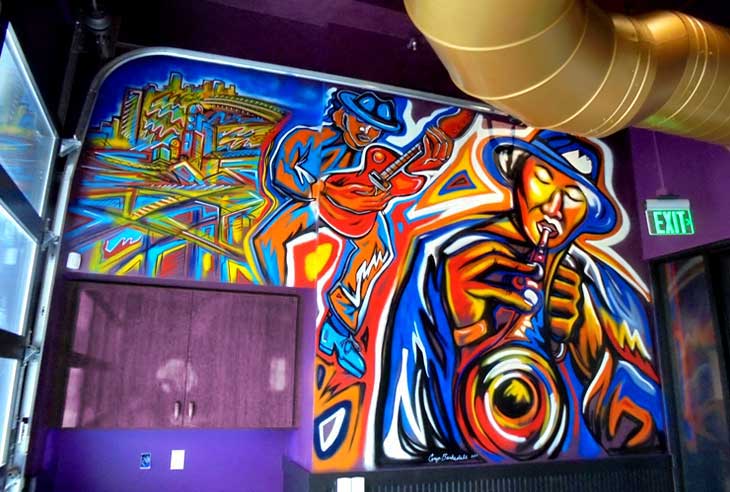
Mellow Mushroom — Richmond, VA
Barksdale's artwork for Mellow Mushroom in Virginia injects soulful vibrancy into the dining experience. With rhythmic patterns and Afrocentric motifs, the mural fuses food, funk, and fine art into a visual feast.
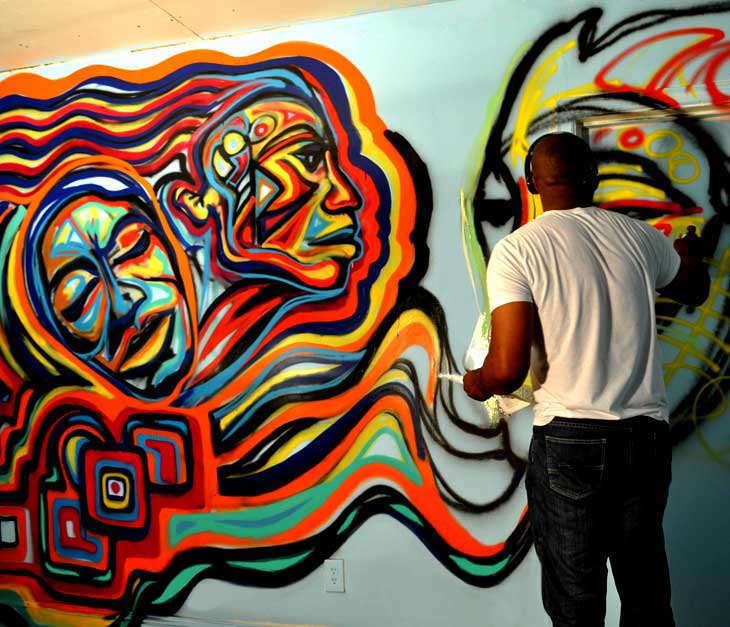
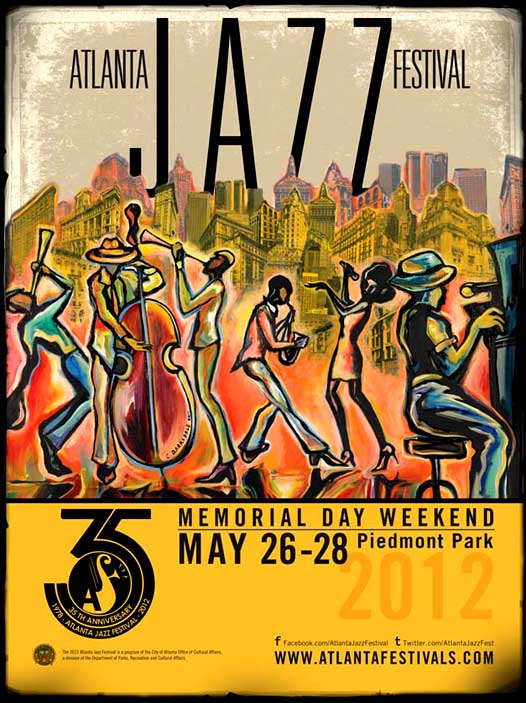
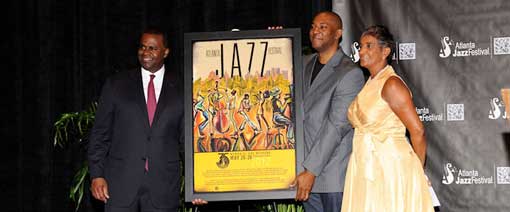
Atlanta Jazz Festival Poster — Memorial Day Weekend at Piedmont Park (2012)
This dynamic artwork was commissioned for the 35th Anniversary of the Atlanta Jazz Festival, one of the largest free jazz festivals in the country. The painting, which became the official festival poster, captures the movement, rhythm, and cultural vibrancy of jazz through a colorful symphony of expressive figures and instruments.
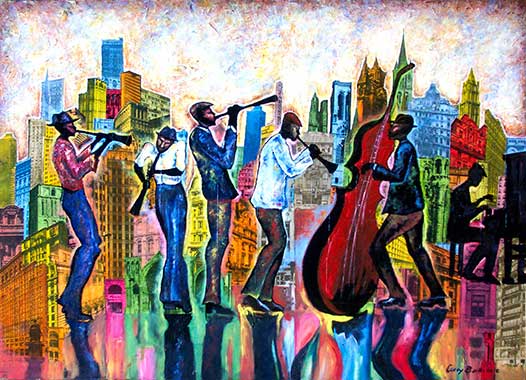
Atlanta Reflections — Painting on Masonite
In his powerful piece - Atlanta Reflections, renowned Atlanta visual artist Corey Barksdale masterfully captures the soul of the city through jazz, movement, and color.
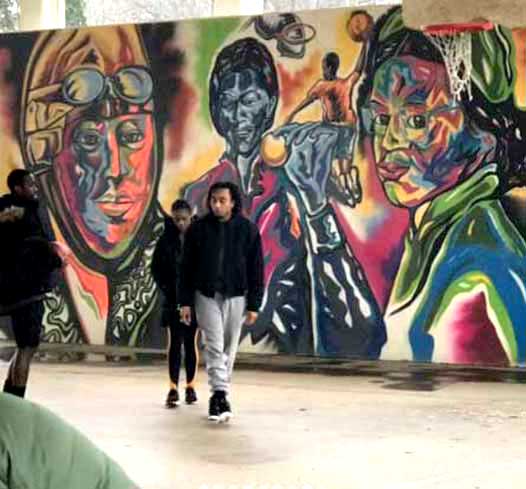
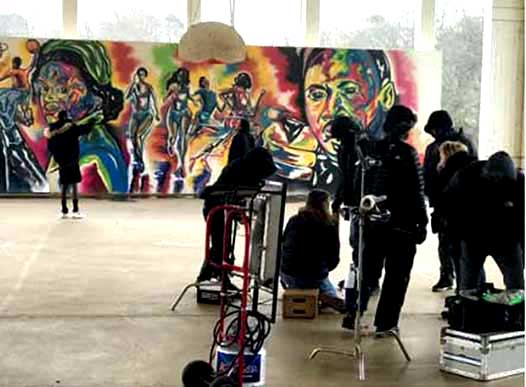
This vibrant, large-scale mural was commissioned for a nationally aired television series filmed in Atlanta, Georgia . The piece captures powerful African American historical icons in Barksdale's signature style.
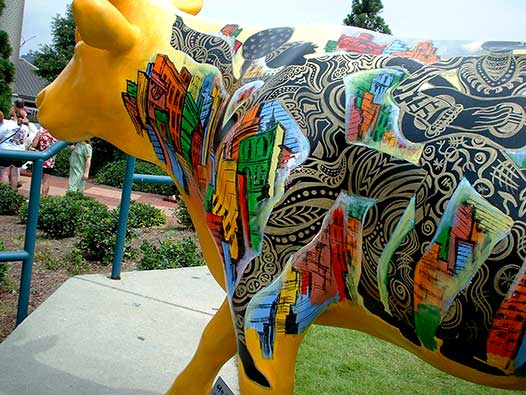
Atlanta Cow Parade Sculpture — Corey Barksdale at Piedmont Park
As part of the internationally acclaimed Cow Parade public art series , celebrated Atlanta artist Corey Barksdale was selected to transform a life-sized fiberglass cow sculpture into a powerful piece of urban expression. Installed at Piedmont Park in Atlanta , this 3D painted sculpture stands as a bold representation of cultural identity, cityscape vibrancy, and artistic storytelling.
Barksdale's design integrates iconic Atlanta architecture , abstract tribal patterns, and flowing, rhythmic brushstrokes to merge traditional African motifs with modern city energy. The intricate black-and-gold etching symbolizes ancestral heritage, while the pops of bold, colorful city buildings represent the dynamic future of the urban South. His signature style vivid, expressive, and symbolic comes alive across every curve of this three-dimensional form.
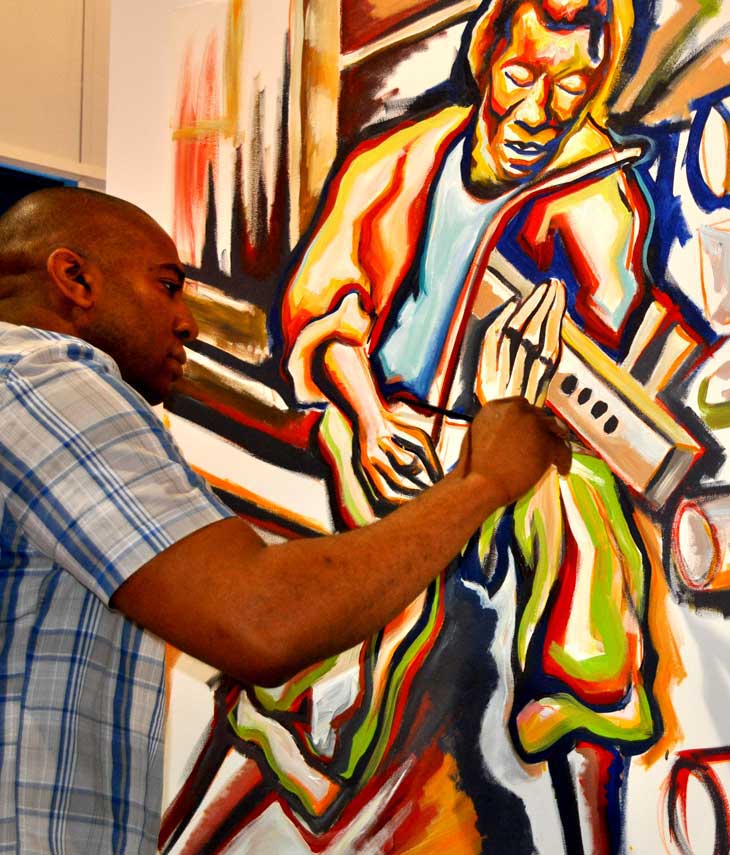
Commission Oil Painting — Atlanta Convention
Live Painting by Atlanta Visual Artist Corey Barksdale at the World Trade Center, Atlanta, GA
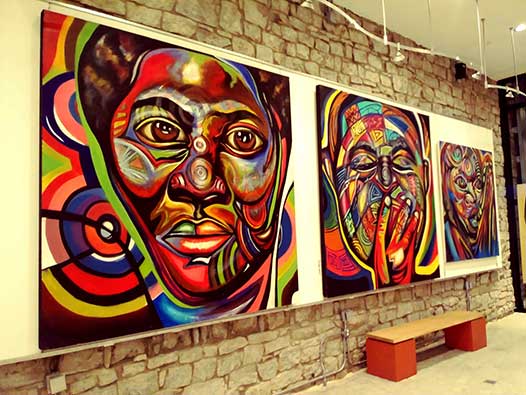
Corey Barksdale's Large-Scale Paintings Featured in the Film Superfly
Atlanta Art Gallery | African American Artist | Movie Art Placement
This stunning visual captures a collection of large-scale paintings by Atlanta-based visual artist Corey Barksdale ,
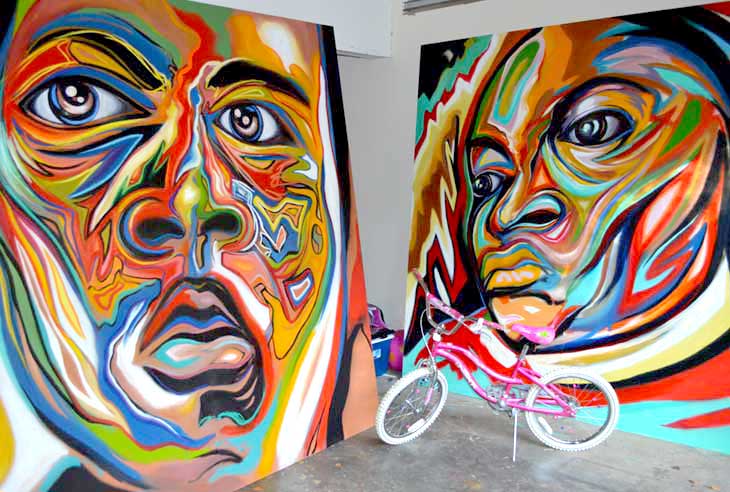
American Heroes — Legends of American Life
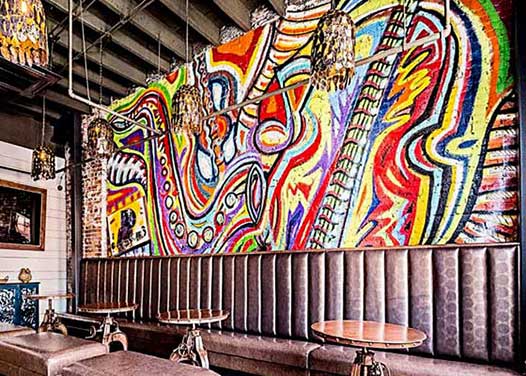
Mellow Mushroom — Downtown Nashville Painting
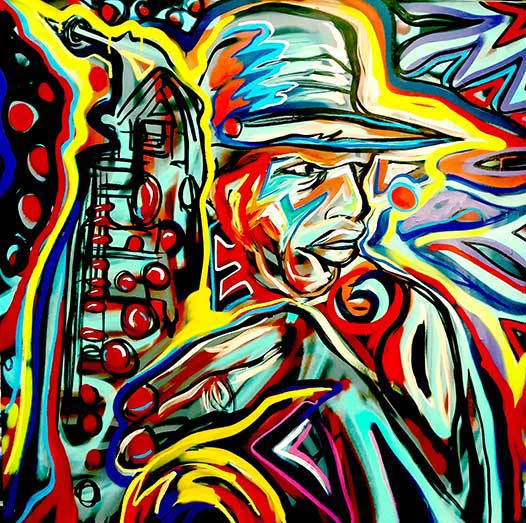
Nashville, Tennessee Painting — Jazz Expression
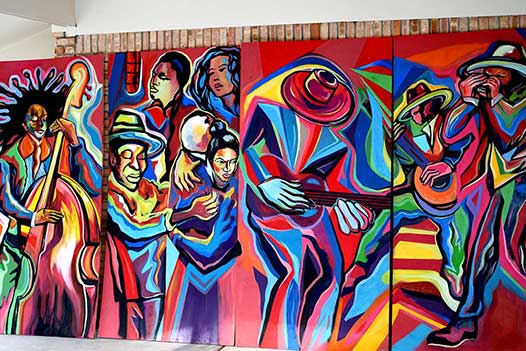
Mural on Panels — Carrollton, Georgia
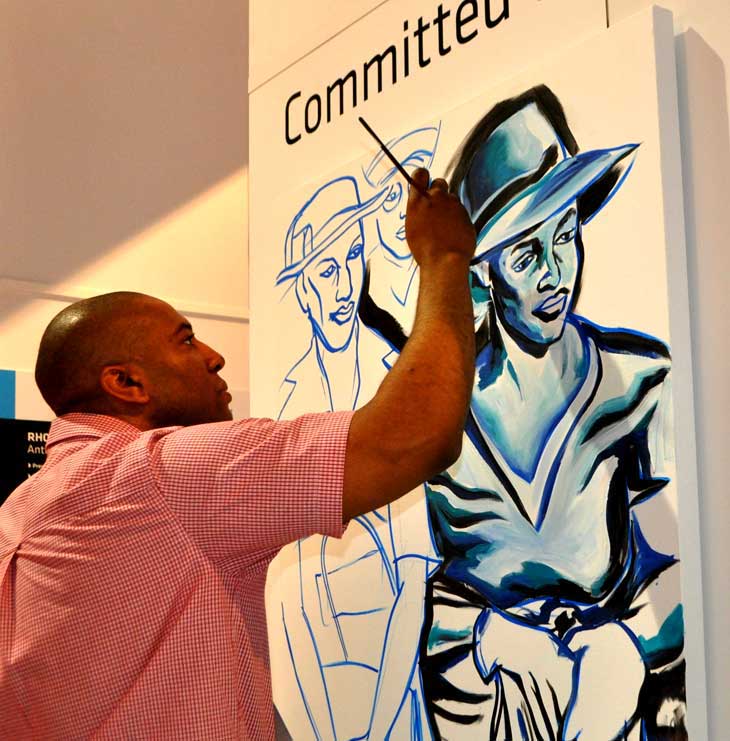
Deeply Committed — Commission Painting
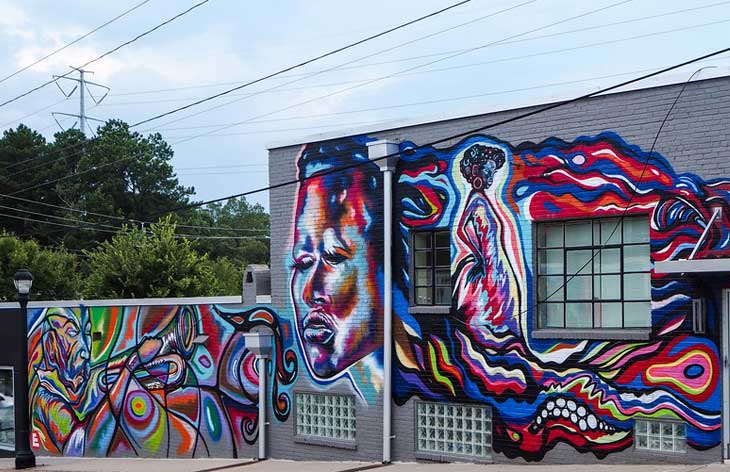
ELEVATE ATLANTA - S.W.A.T.S. celebrates Southwest Atlanta Mural
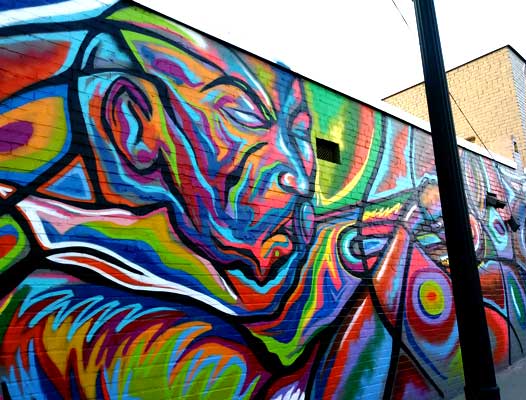
You'll see Africa in Corey Barksdale's lines & colors
That heritage runs deep: the bold forms and tribal motifs found in traditions like the Benin Bronzes and Nok culture sculpture echo in Corey's own color and form, and his work carries forward a lineage traced from early African American masters to today.
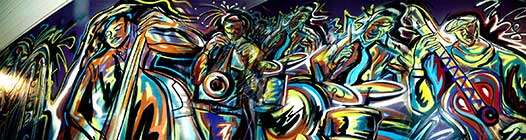
Movie Art Mural — Newnan, Georgia
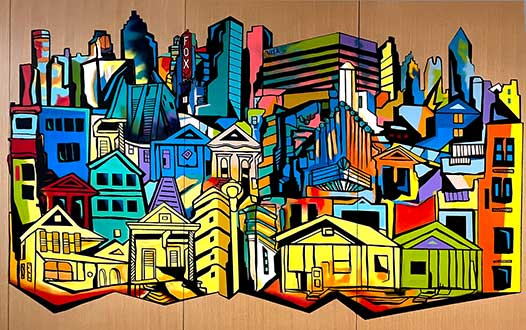
Urban Mural Painting — Midtown Atlanta, Visa Building, 12th Street
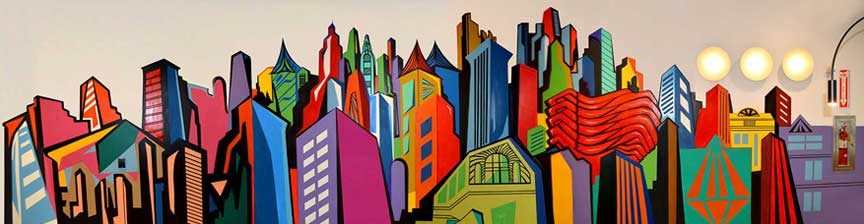
Corey Barksdale Axis Mural Commission — urban landscape architecture city mural for Axis Corporation
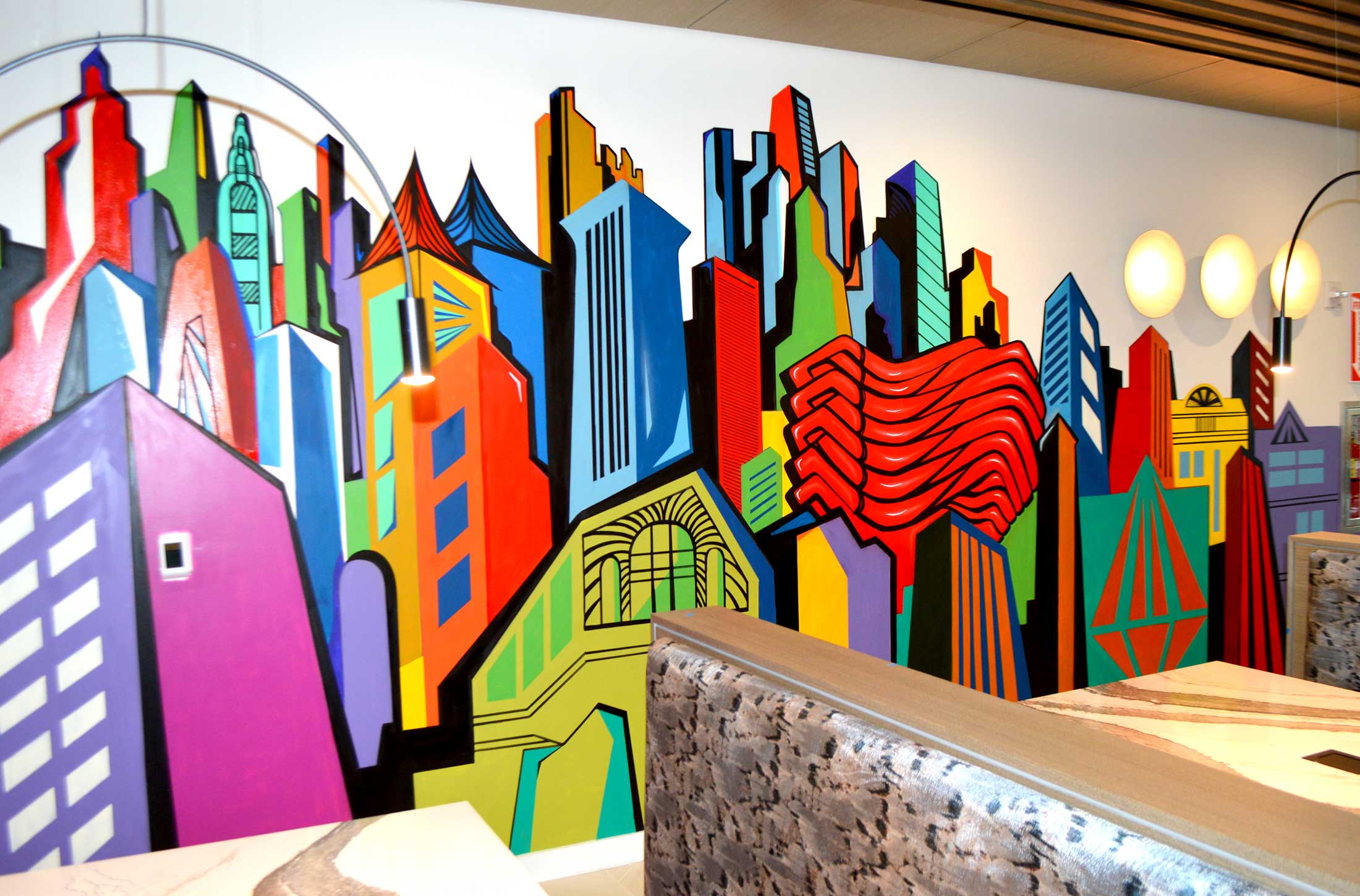
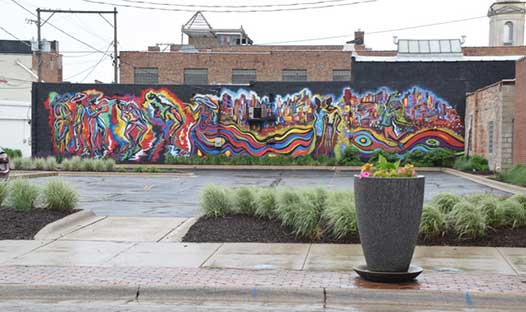
Urban Art Commission
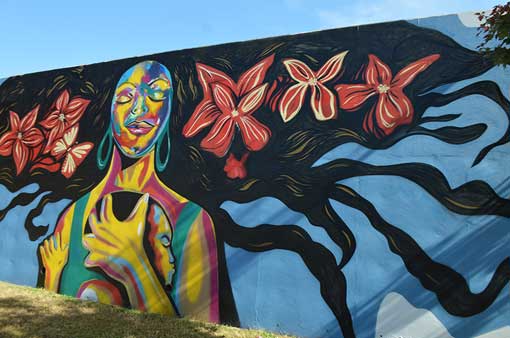
COREY BARKSDALE ELEVATE ATLANTA MURAL - The focus of ELEVATE is to enhance the city's cultural offerings by providing free, quality cultural experiences that highlight what makes each area unique and increasing Atlanta's cultural and economic vitality
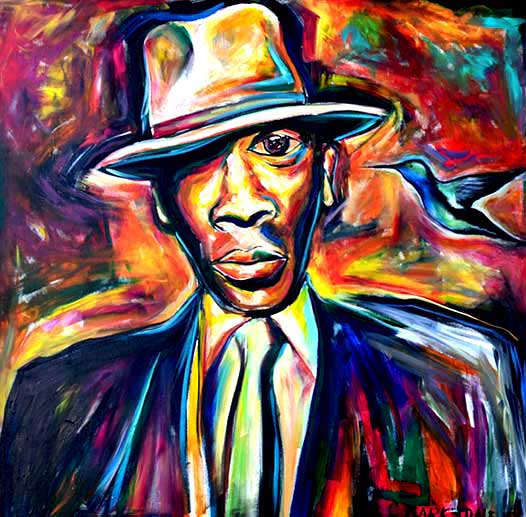
Atlanta Commission — One Little Bird Outside My Doorstep
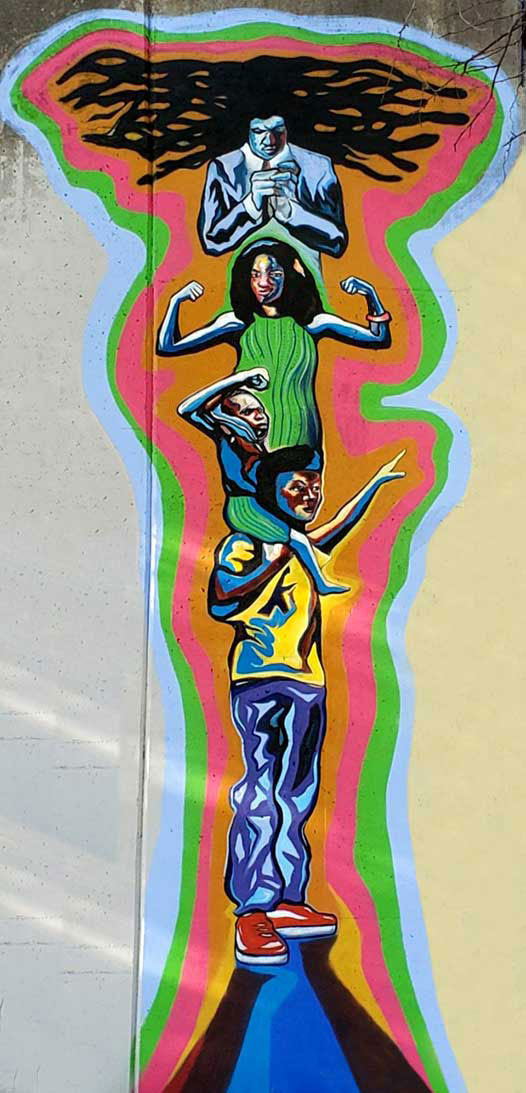
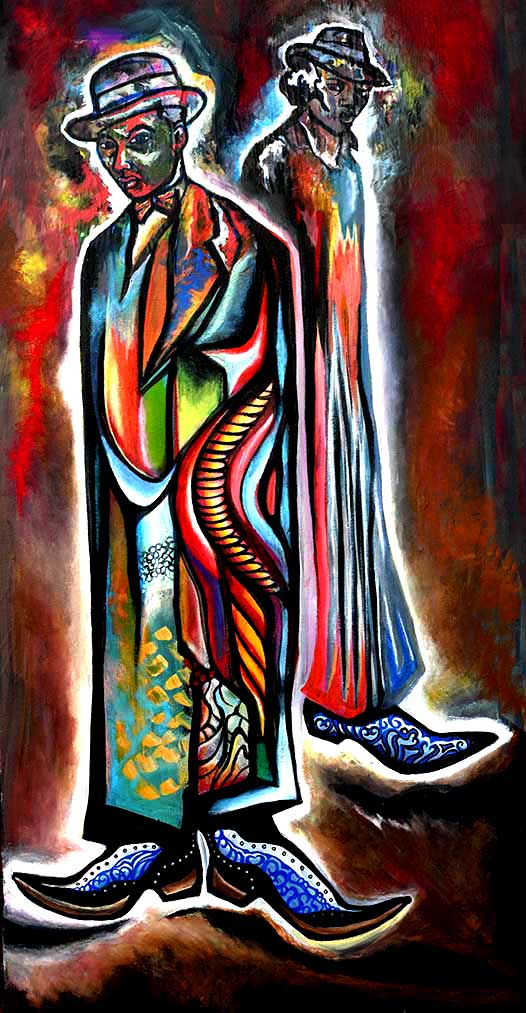
So Fresh So Clean — Mean Joe Green
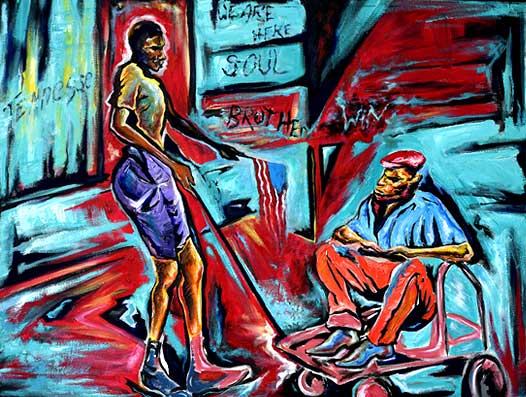
We Are Here Soul Brother — each of us, right here, right now, we are the resistance
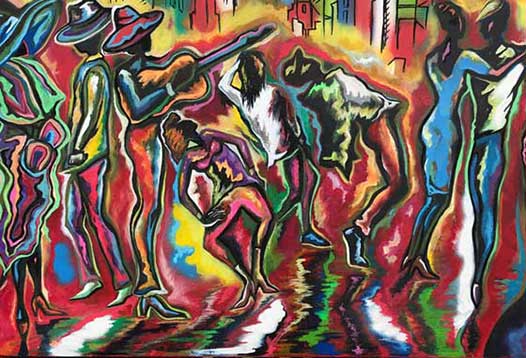
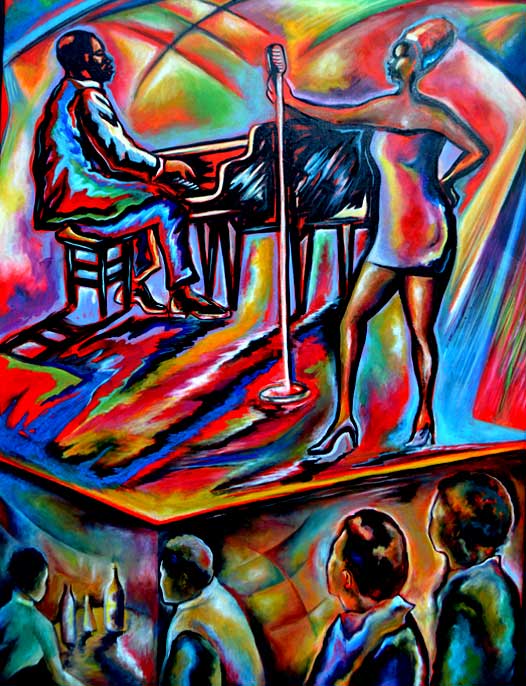
Atlanta Commission Painting — The Proper Bebop Blues
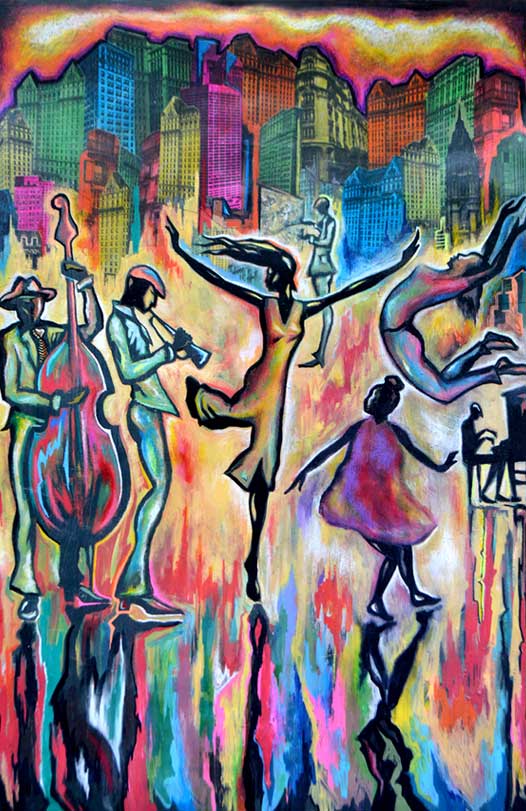
Atlanta Art Gallery — Forever I Love Atlanta
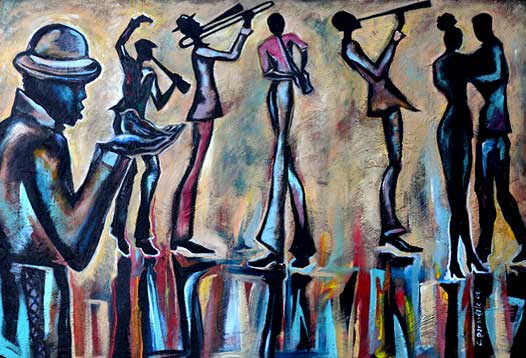
Blue Bird in Birdland — Forever I Love Atlanta
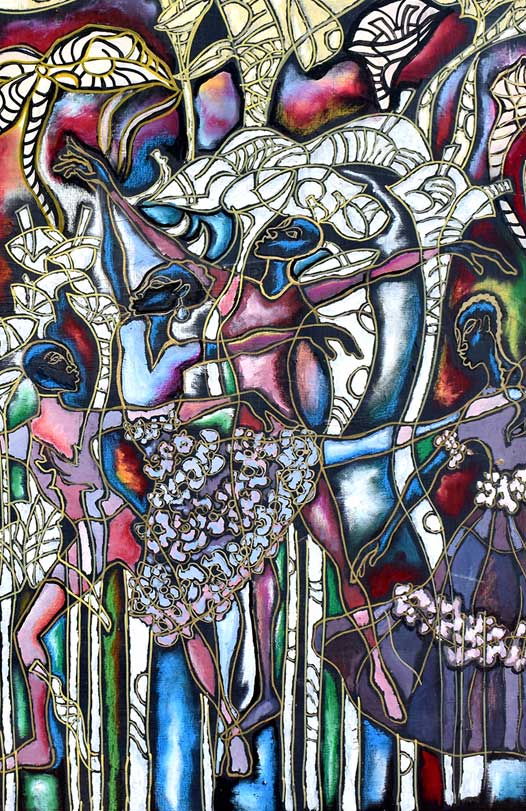
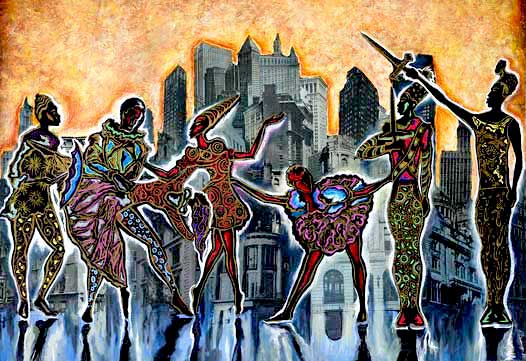
Urban Kingdom — All Hail to the Urban Kingdom
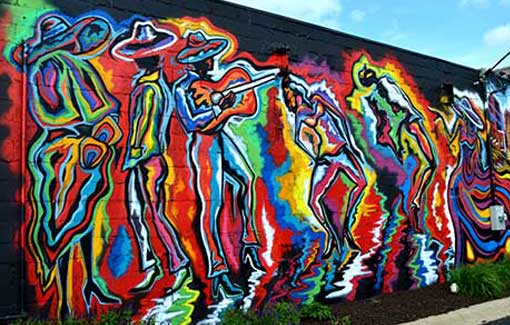
Original African American Paintings by COREY BARKSDALE - Rockford, Illinois - COREY BARKSDALE brightening walls around Rockford for the city's first CRE8IV mural festival.
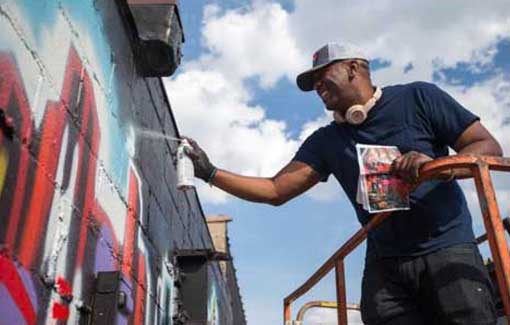
Black Art Gallery in Atlanta, GA — Rockford, Illinois: CRE8IV (pronounced "Creative") is a community-building, arts-infused event where, over the course of a week, Corey Barksdale creates large-scale murals in Rockford's central city.
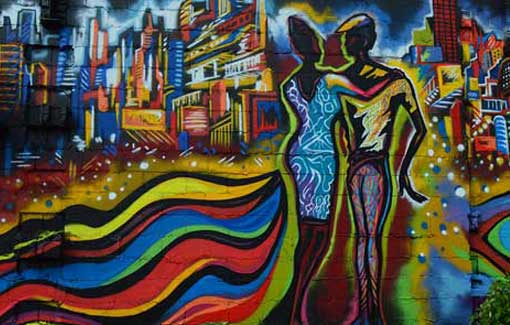
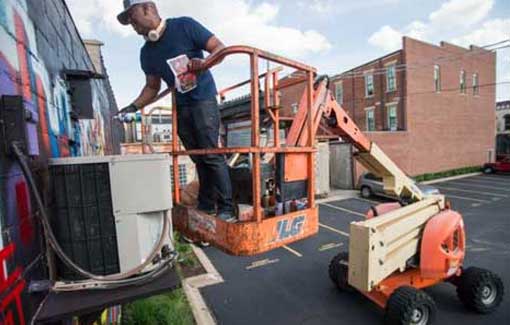
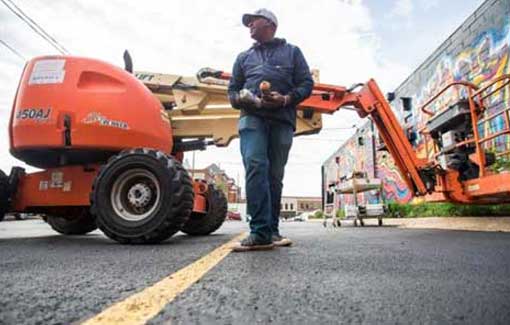
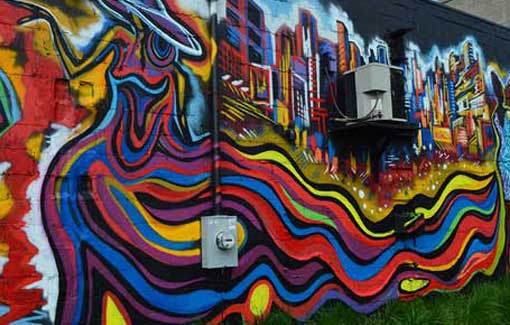
Mural artist Corey Barksdale transforms a downtown Rockford building into a work of art.
The CRE8IV festival draws inspiration from Rockford's vibrant art scene, patterned after successful mural festivals in Montreal, Denver, and Detroit, and made possible in part by a $91,800 matching grant from the Illinois Department of Commerce, Office of Tourism.
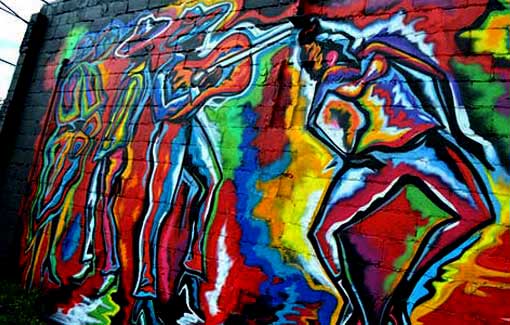
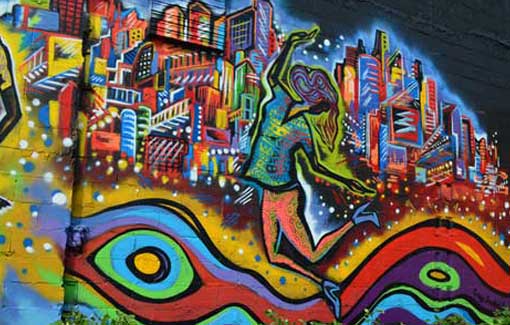
The murals remain for years to come, brightening the sides of buildings and even a dark Jefferson St. Bridge overpass near the Rock River.
Illinois is full of vibrant cities and towns with endless attractions for residents and visitors alike.
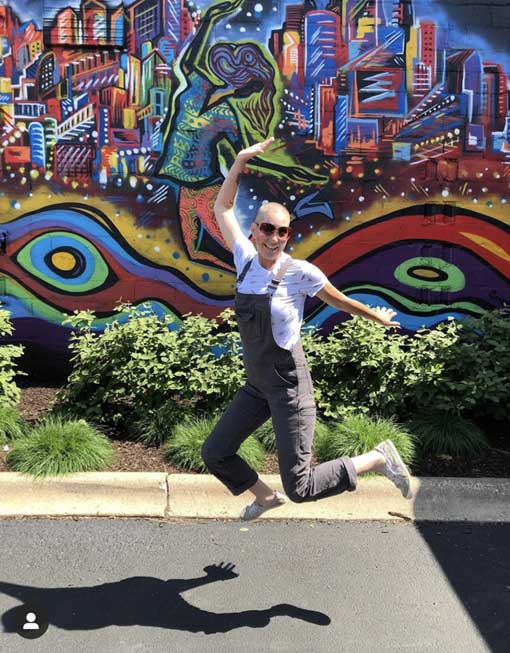
Local Rockford and Chicago artists, along with visiting muralists, transformed tired, dull walls into beautiful works of art.
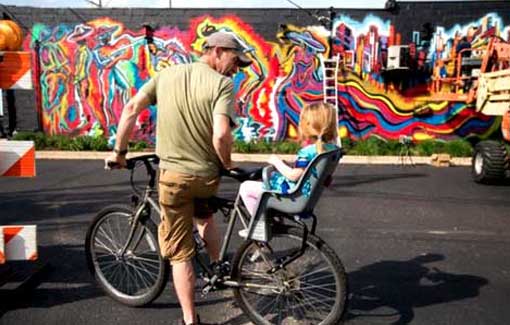
Each day of the festival included a free block party at one of the mural locations.
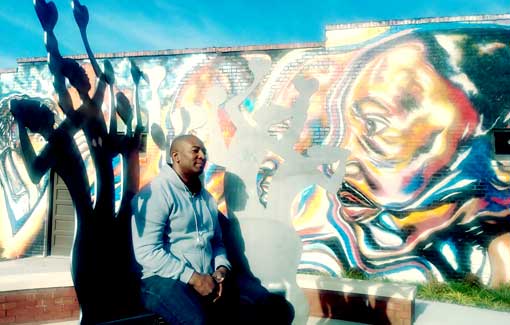
Corey Barksdale Martin Luther King Sculpture Monument
King had a dream that started in Dublin, Georgia, at the tender age of 15, on April 17, 1944.
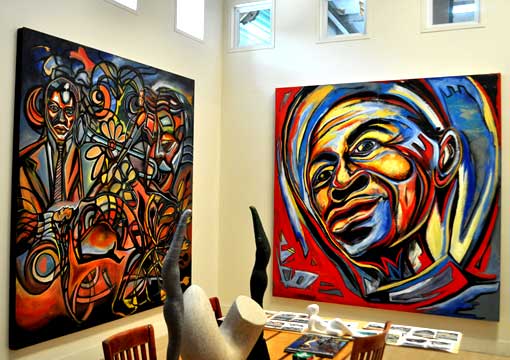
This 2012 piece shows Corey Barksdale's African American abstract art style — bold color and fractured form used to explore identity and culture.
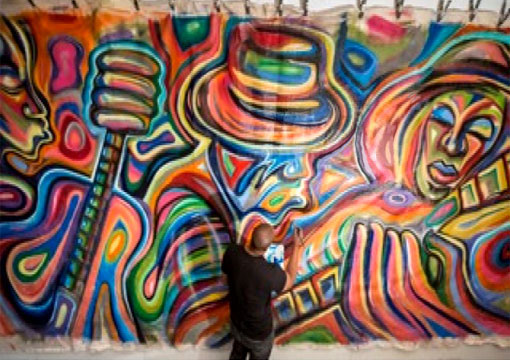
For Crowne Plaza Midtown, Corey Barksdale painted a large-scale mural titled "Urban Reflection," designed to convey the vibrancy of the city — 20 feet wide by 10 feet tall.
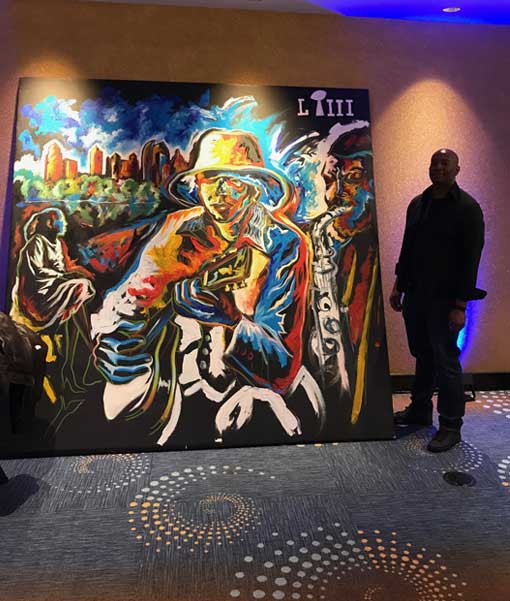
While Mercedes-Benz Stadium shone during Super Bowl LIII, Corey Barksdale painted a large-scale live piece for the Mars Wrigley Confectionery event at the Georgia Aquarium.
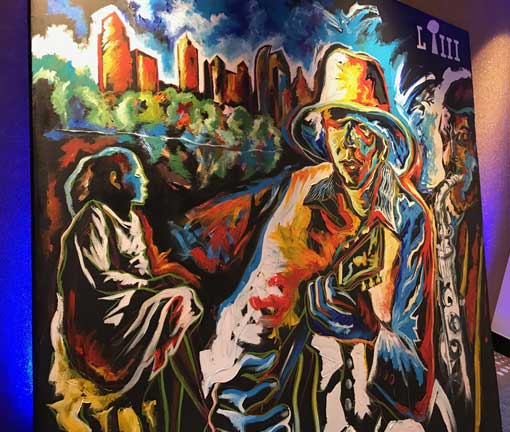
Corey Barksdale also completed a large-scale mural speed painting for the same Mars Wrigley Confectionery Super Bowl event at the Georgia Aquarium.
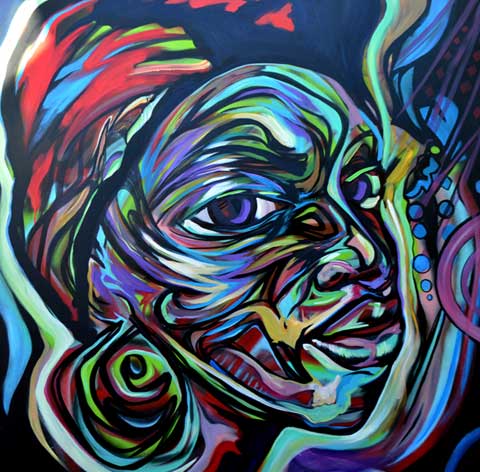
A large-scale acrylic-on-canvas painting titled Atlanta African Queen.
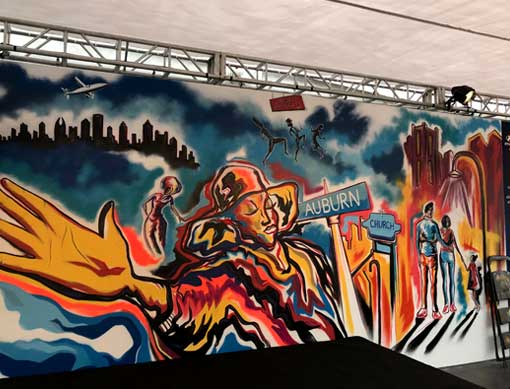
For Hyundai Motor Company's Atlanta Super Bowl activation, Corey Barksdale painted a large-scale live mural at Centennial Olympic Park.
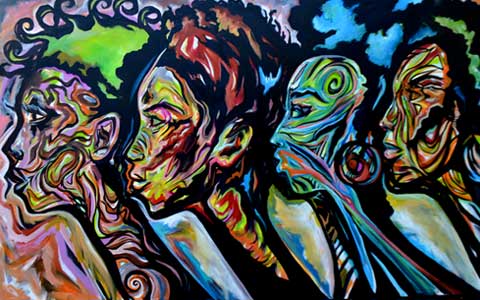
A large-scale artistic painting from Corey Barksdale's Atlanta studio.
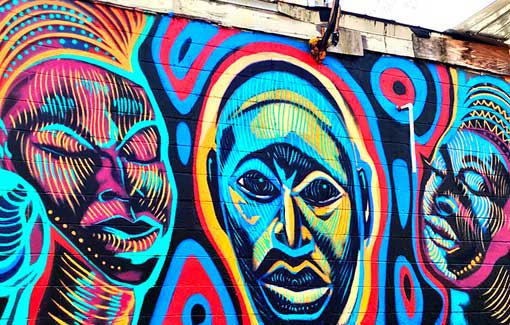
Another large-scale mural painting by Corey Barksdale.
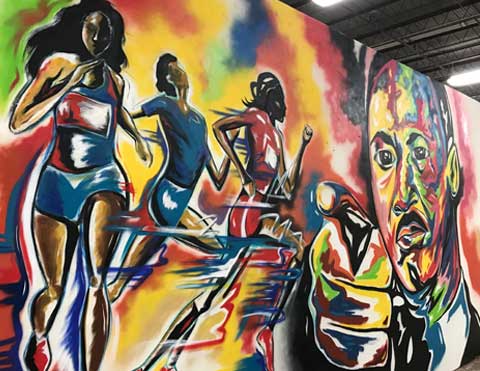
A large-scale acrylic-on-canvas live event painting by Corey Barksdale.
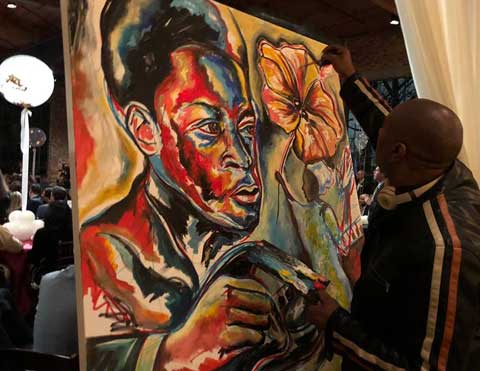
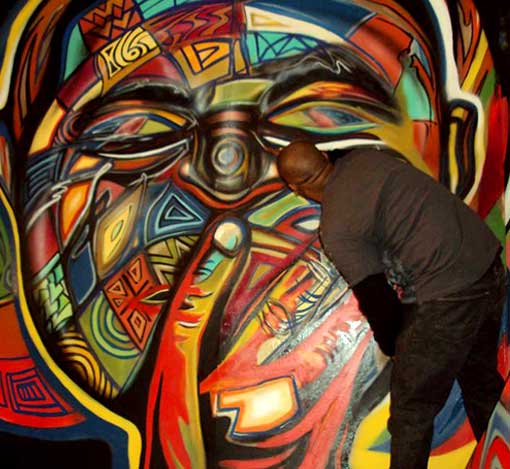
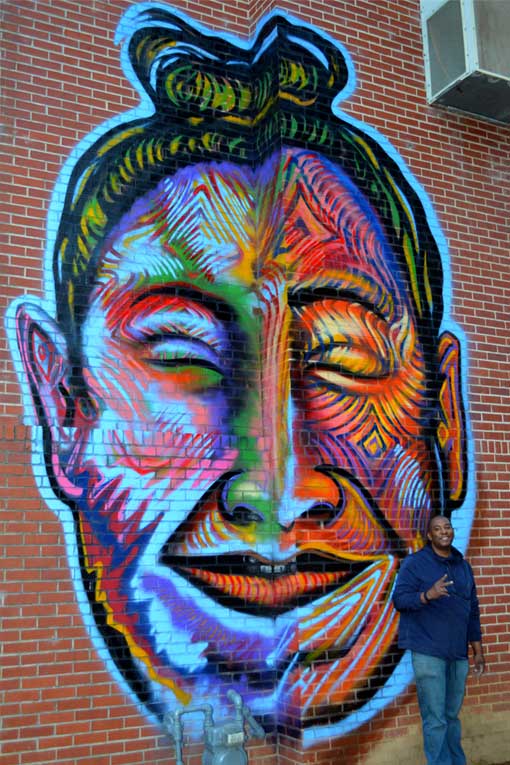
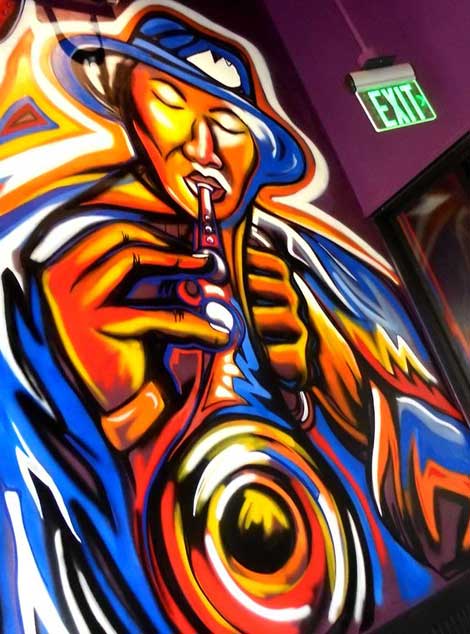
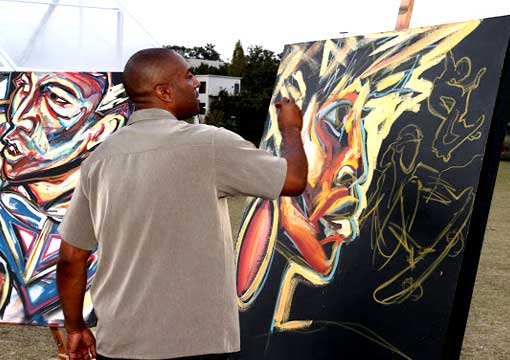
AFRICAN AMERICAN ARTIST - ATLANTA, GA - COREY BARKSDALE live art painting at Trust for Public Land Celebration 2012.
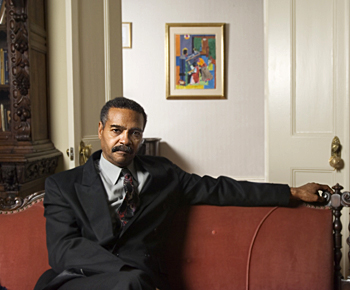
Dr. Walter O. Evans, named one of 'America's Top 100 Collectors' by Art & Antiques magazine in 2006, spoke the other night as part of the Collectors' Round-table series on "Collecting outside the Canon." He began in 1979, when he acquired a portfolio of serigraphs by Jacob Lawrence entitled The Legend of John Brown.
Throughout the Collectors' Round-table series, we've heard the advice to start with emerging artists while they're still affordable. What's your strategy? We'd love to hear the stories behind your art collections.
African American Art Gallery - Cherrylion Studios
AFRICAN AMERICAN ARTIST- ATLANTA, GA - COREY BARKSDALE work is continually inspired by African American culture and music.
African American Art Gallery - Collecting Modern Art
In the 1990s, African-American artists received belated and much-deserved recognition in important museum exhibitions, auction houses, art fairs, and the art market in general. The mainstream art world finally recognized that art created by African-American artists is a viable and ever-appreciating cultural commodity.
According to Joseph S. Nye Jr., author of - Soft Power: The Means To Success In World Politics, art and culture are key components to global diplomacy. Investing in your culture has a ripple effect. The following is a list of suggestions to consider when collecting and investing in art:
1. Collecting fine art is an investment and not exclusively an activity for the rich. Collectors Herb and Dorothy Vogel, a postal worker and librarian, developed an impressive collection of modern art. Learn more about the Vogels.
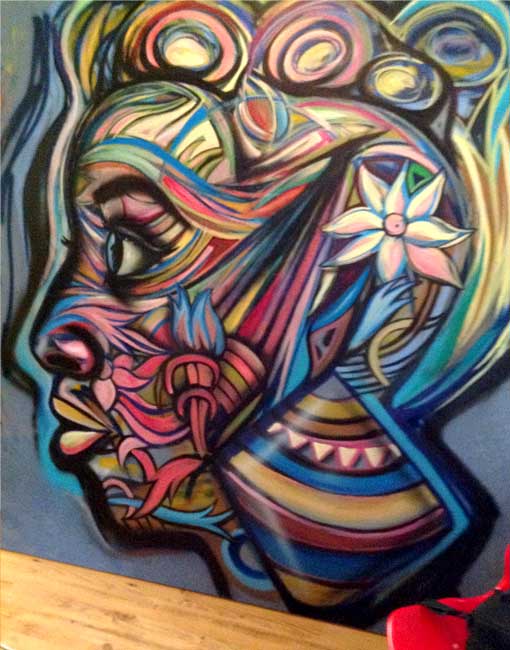
2. Layaway is an option. Art dealers and galleries are happy to accommodate your request to buy works through installments.
3. Consider purchasing prints as they can be more economical than paintings. Remember to buy prints that have a small number of editions, preferably under 100.
4. When acquiring art work think of organizing your collection thematically. A strategically planned collection will serve you in the long run. Theresa Woodruff, Hale Woodruff, Dr. Rufus Clement, Hallie B. Brooks and visitors view the Atlanta Annual Exhibition at the Trevor Arnett Art Gallery, April 27, 1952. Courtesy Atlanta University Photographs, Robert W. Woodruff Library of the Atlanta University Center
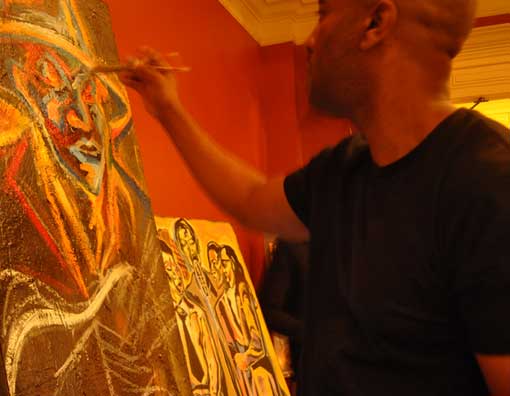
5. Purchase the works of an emerging artist who demonstrates promise. You can find their art at their senior exhibitions and Master of Fine Arts shows. _
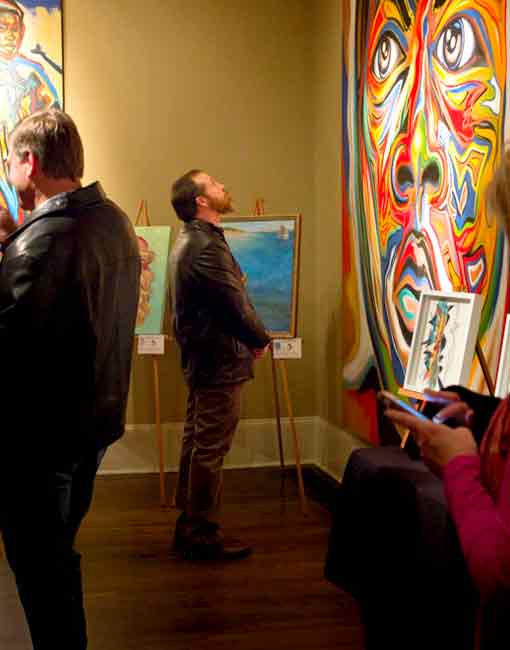
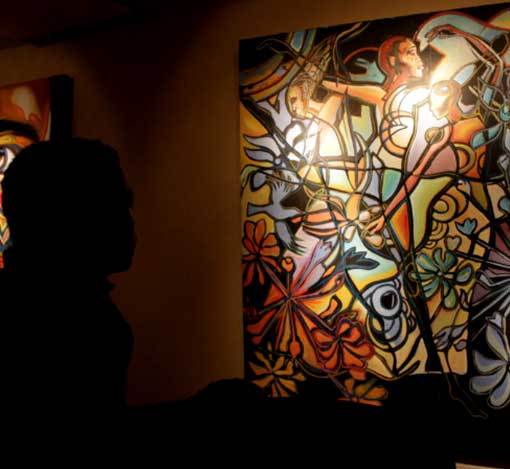
AFRICAN AMERICAN ARTIST - ATLANTA, GA - COREY BARKSDALE fine art gallery paintings of southern musicians,
6. Pay attention to art auctions. Christies, Sotheby's, and Swann Auction Galleries are prominent auction houses, but there are smaller and regional houses with great finds that are below the radar. Search e-Bay for hidden treasures. As always, make sure the work is authentic and not a poster.
7. Visit museums and galleries regularly. Pay attention to the artists who receive institutional attention. Conversely, also observe what artists are excluded and why this may occur. Even museums have lapses.
8. Read and research voraciously. Subscribe to magazines that focus exclusively on fine art. Important cultural publications including Ebony and Essence feature important African-American artists . Invest in art historian's Halima Tahama's seminal Collecting African American Art Works on Paper and Canvas, considered one of the most important books about building and caring for private collections.
9. Develop a discerning eye. The more you look at art work in person, the keener your eye becomes. A great eye for art is important.
10. Care for your collection just as a museum cares for its collection. Document your collection by creating a simple database that includes the artist's name, birth and death dates, title of the work, media, dimensions, and insurance value. Maintain object files that contain invoices, receipts, articles, and press about the work in your collection. Insure your collection just in case the unforeseen happens. Art collections are an asset. House the works properly in archival materials framing for longevity purposes.
11. Plan ahead. Consider how you want to display and share your collection. You may want to leave it to your children or a reputable institution that will care for and showcase your work.
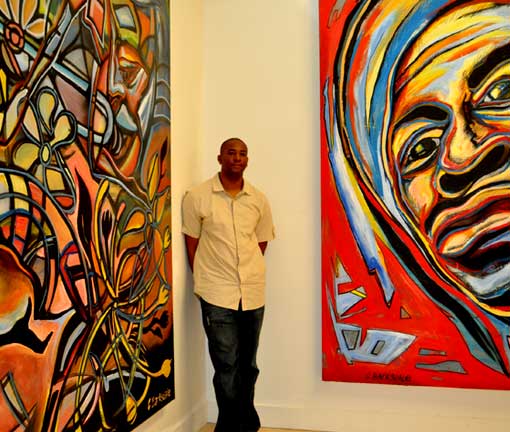
African American Art Gallery - Art Market
Why has African American art peaked national and international interest in the art market? Halima Taha - Author of Collecting African American Art: Works on Paper and Canvas