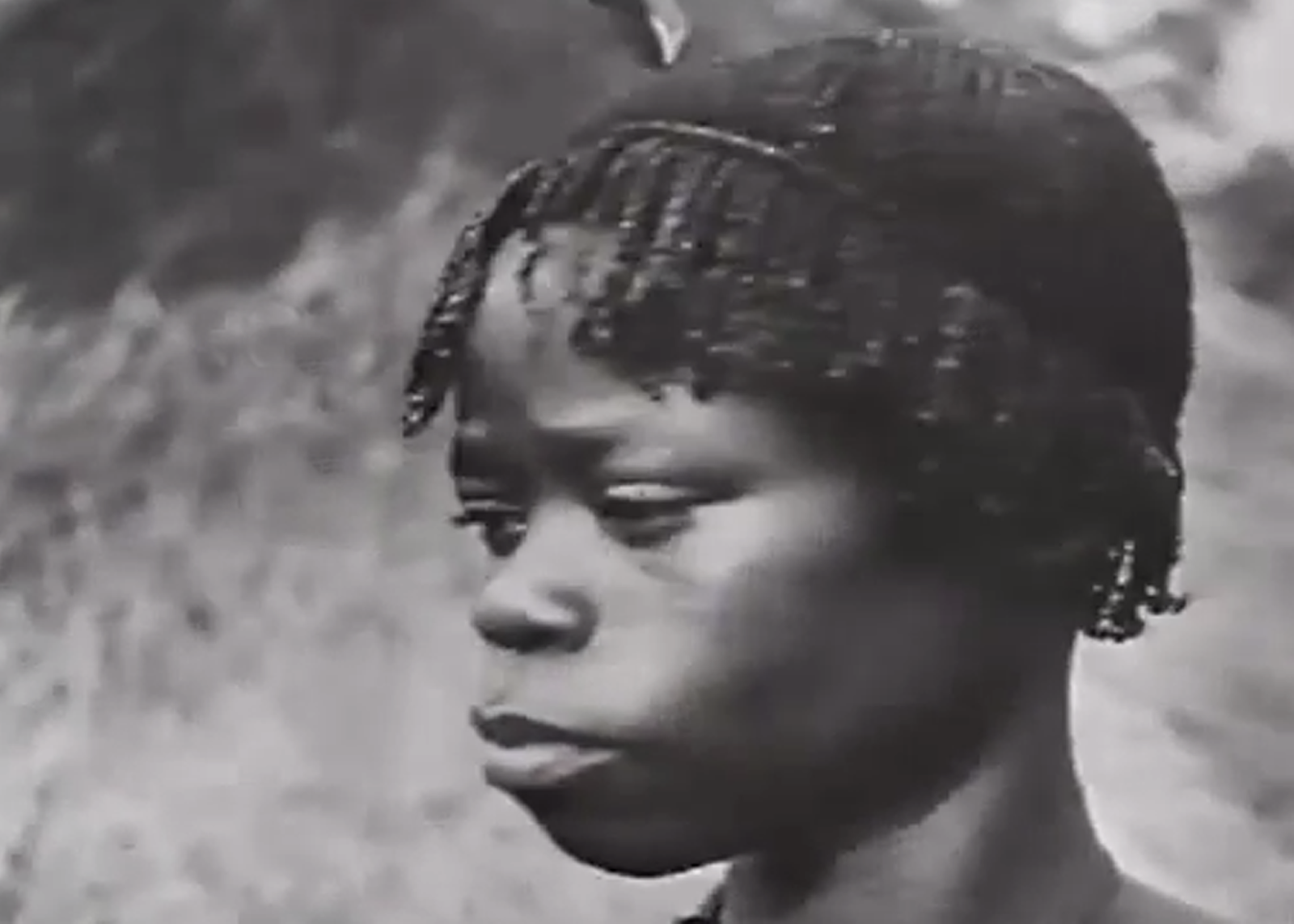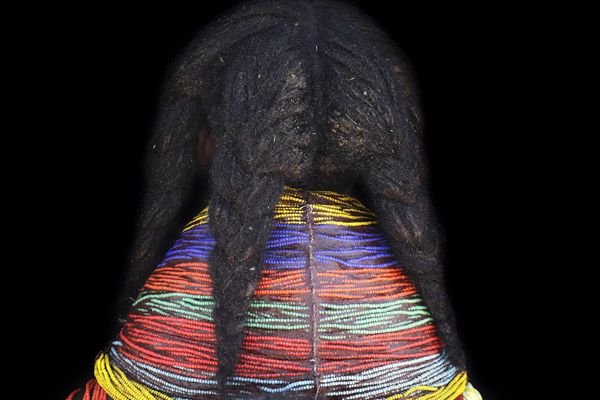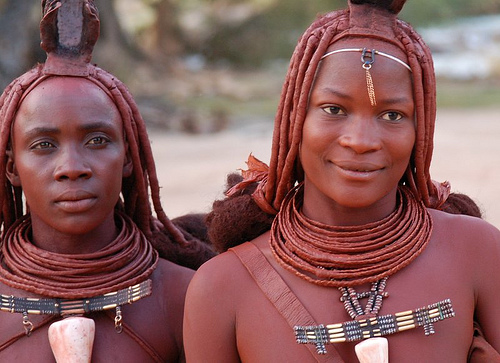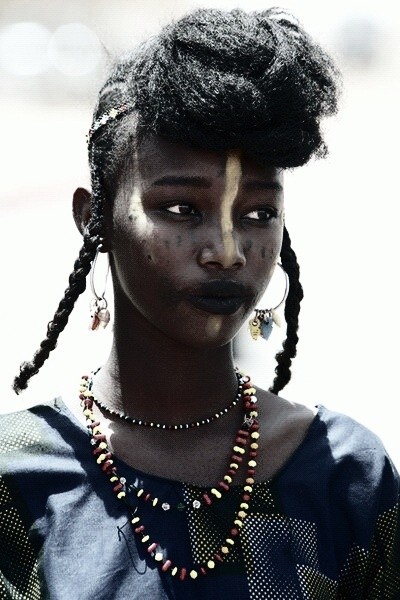
History can show to anyone that cornrows originated in Africa, but many seem to still lack the reasoning as to why? For most, the intricate braiding of the hair indicated the tribe you belonged to. Cornrows on women date back to at least 3000 B.C. and as far back as the nineteenth century for men, particularly in Ethiopia. Warriors and kings were identified by their braided hairstyles.
Still largely worn throughout West Africa, Sudan, and the Horn of Africa (Djibouti, Eritrea, Ethiopia and Somalia), cornrows can signify one’s age, religious beliefs, kinship, marital status, wealth, and were also a form of self-expression. Women and men used shells, glass, corals, fresh flowers and twigs, among other items, to adorn their cornrows and express their personalities.
Ghana braids, which today are also often called banana braids or fishbone braids, can be traced all the way back to Africa. The earliest depictions of Ghana braids appear in hieroglyphics and sculptures carved around 500 BC, illustrating the attention Africans paid to their hair.
For centuries, they’ve been an integral part of many different Ghanaian ethnic, religious, social, and cultural traditions.
What makes Ghana braiding so different from the traditional cornrowing is the start and finish. Each braid is started off small, soft and natural as it goes into a much thicker and fuller state in the middle until it is tapered off at the ends.
The Fula, or Fulani Tribe, is the largest nomadic pastoral community in the world that populate West Africa and the Sahel Region.
A very traditional hairstyle for women includes long hair being put into five long braids that either hang or are looped on the sides, with a coiffure in the middle of the head. Hair is decorated with beads and cowrie shells. A tradition that is passed through the generations to women and young girls includes attaching the family’s silver coins and amber onto braids as a heritage symbol as well as for aesthetic purposes.
Goddess braids can also be dated back to the times of Ancient Africa. They are similar in shape to traditional cornrows, however the braids are often much thicker throughout, raised, very sleek and defined. They were a symbol of artwork, creativity, precision, and a new dimension of style.
Box braids have a history dating back to around 3500 B.C. in South Africa. The box braids popular today are similar to ancient Eembuvi braids from Namibia or the chin-length bob braids worn by women in the Nile Valley over 3,000 years ago.
Hair was once wefted into fiber skull caps made of durable materials, like wool, felt and even human hair to reuse for their traditional garb and rituals. Cowrie shells, jewels, beads and other meaningful items adorned box braids of earlier women eluding to their readiness to mate, emulation of wealth, high priesthood and various other classifications.
Box braids were expensive in terms of time, material and installation. It could have been assumed that a woman who could afford to sit for many hours adorning her crown was indeed a woman of fortune. Installing them requires both precision and patience with the process taking anywhere from four to eight hours depending on how long and thick you wanted your braids to be.