Mali (/?m??li/ (About this sound listen); French pronunciation: ?[mali]), officially the Republic of Mali (French: Rpublique du Mali), is a landlocked country in West Africa, a region geologically identified with the West African Craton. Mali is the eighth-largest country in Africa, with an area of just over 1,240,000 square kilometres (480,000 sq mi). The population of Mali is 18 million.
Aduma People
Afo People
Ambete People
Anyi People
Asante People
Attie People
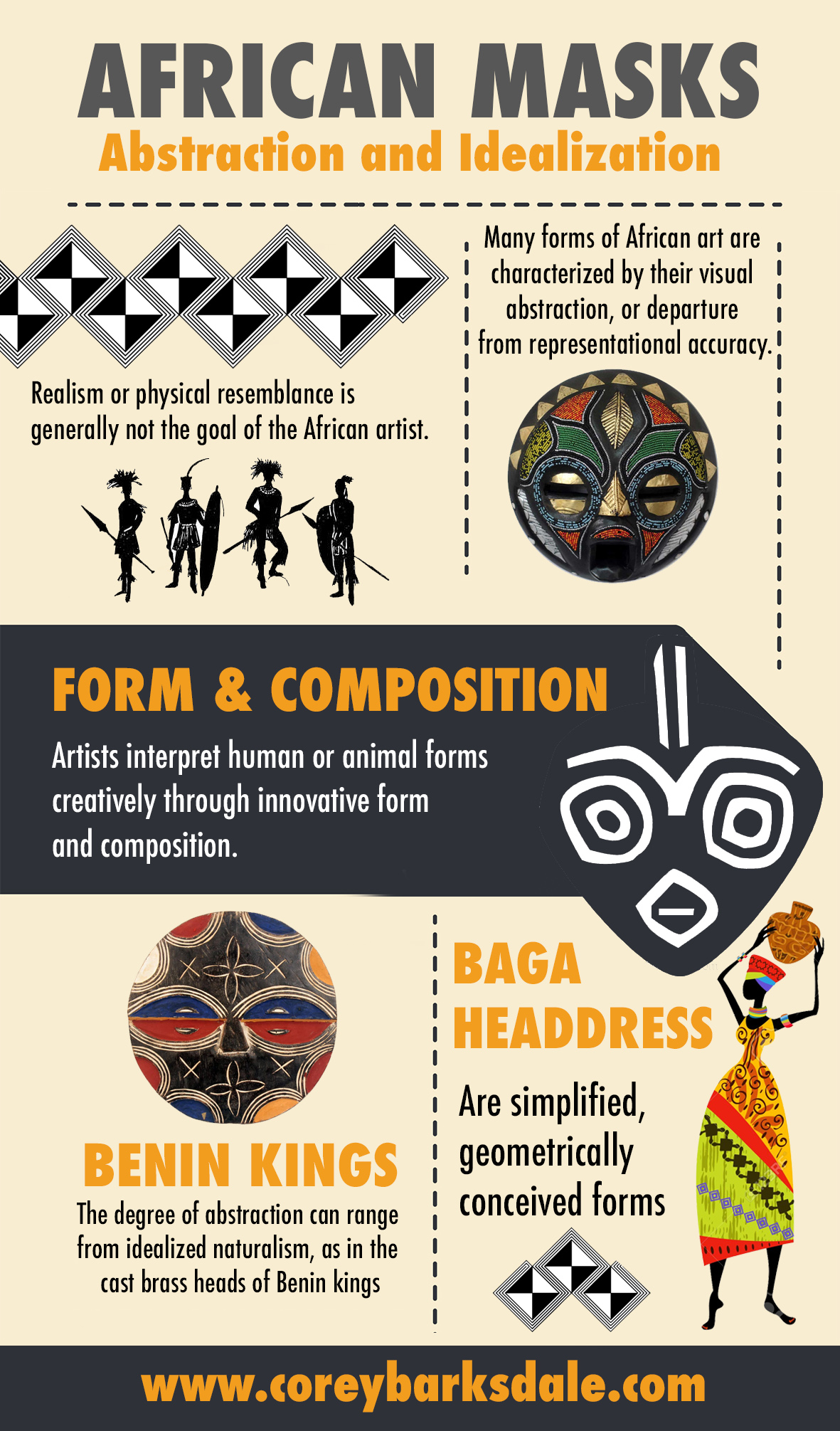
Baga People
Bakongo People
Bamana People
Bamileke People
Bamun People
Bangwa (Bangoua) People
Bassa People
Baule People
Bembe People
Bena Lulua People
Benin People
Bete People
Bidjogo People
Boa People
Bobo People
Bongo People
Bozo People
Bwa People
Chamba People
Chokwe People
Cross River People
Dan Kran People
Dan People
Dengese People
Dinka People
Djimini People
Dogon People
Eket People
Ekoi People
Ethiopian People
Ewe People
Fang People
Fon People
Galoa People
Grebo People
Guere People
Guro People
Gurunsi People
Hemba People
Ibibio People
Idoma People
Igala People
Igbo People
Ijo People
Kete People
Kota People
Kuba People
Kurumba People
Kuyu People
Kwele People
Lega People
Ligbi People
Lobi People
Mangbetu People
Marka People Mende People
Mossi People
Mali, a landlocked nation in West Africa, is known for its rich cultural legacy and vibrant traditions. The capital, Bamako, serves as the economic and political hub of the country. Mali is divided into eight regions, with its northern border extending deep into the Sahara Desert, and its southern areas nourished by the Niger and Senegal Rivers. These river systems support agriculture, which is a vital part of Mali's economy. Mali is also recognized as the third-largest gold producer in Africa, and its historic salt mines continue to contribute to local trade. With a deep-rooted history in the Mali Empire and Timbuktu's ancient manuscripts, the country continues to influence modern African art and culture.
Togo: A Vibrant West African Nation Located along the Gulf of Guinea, Togo is a small but culturally dynamic country bordered by Ghana, Benin, and Burkina Faso. Its capital city, Lom, is a coastal metropolis rich in culture and trade. Togo's history includes European colonization, beginning with German Togoland in 1884 and later transitioning to French governance until independence in 1960. With a population of over 7.6 million, Togo remains one of the smallest African nations by area but rich in cultural traditions. From the 11th century tribal movements to the vibrant artisan markets of today, Togo blends ancient customs with modern development. Known for its complex history and resilience, Togo remains a source of inspiration for African artists, designers, and historians.
Ivory Coast (Cte d'Ivoire): Economic Powerhouse of West Africa Ivory Coast, officially the Republic of Cte d'Ivoire, is a West African nation bordered by Guinea, Liberia, Mali, Burkina Faso, and Ghana, with the Gulf of Guineato its south. The political capital is Yamoussoukro, while Abidjan serves as the economic and cultural epicenter. Prior to colonization, the region was home to powerful African kingdoms like Gyaaman, the Kong Empire, and the Baoul. French colonization began in the 19th century, and Ivory Coast achieved independence in 1960 under President Flix Houphout-Boigny. Today, the nation is known for its production of cocoa, palm oil, and coffee, and for its contribution to African art and literature. Despite experiencing political unrest, Ivory Coast has emerged as a symbol of African economic growth and cultural resilience.
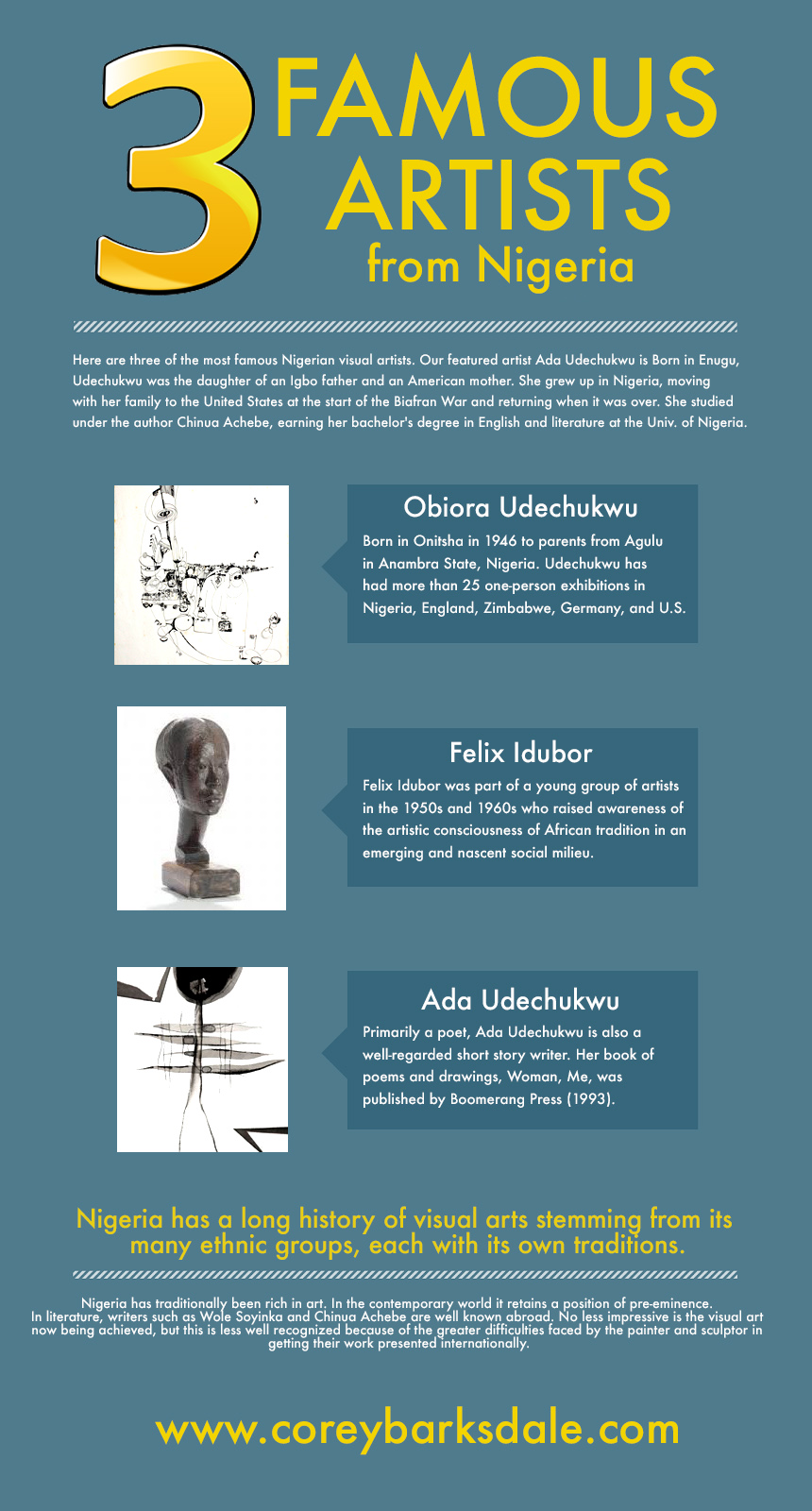
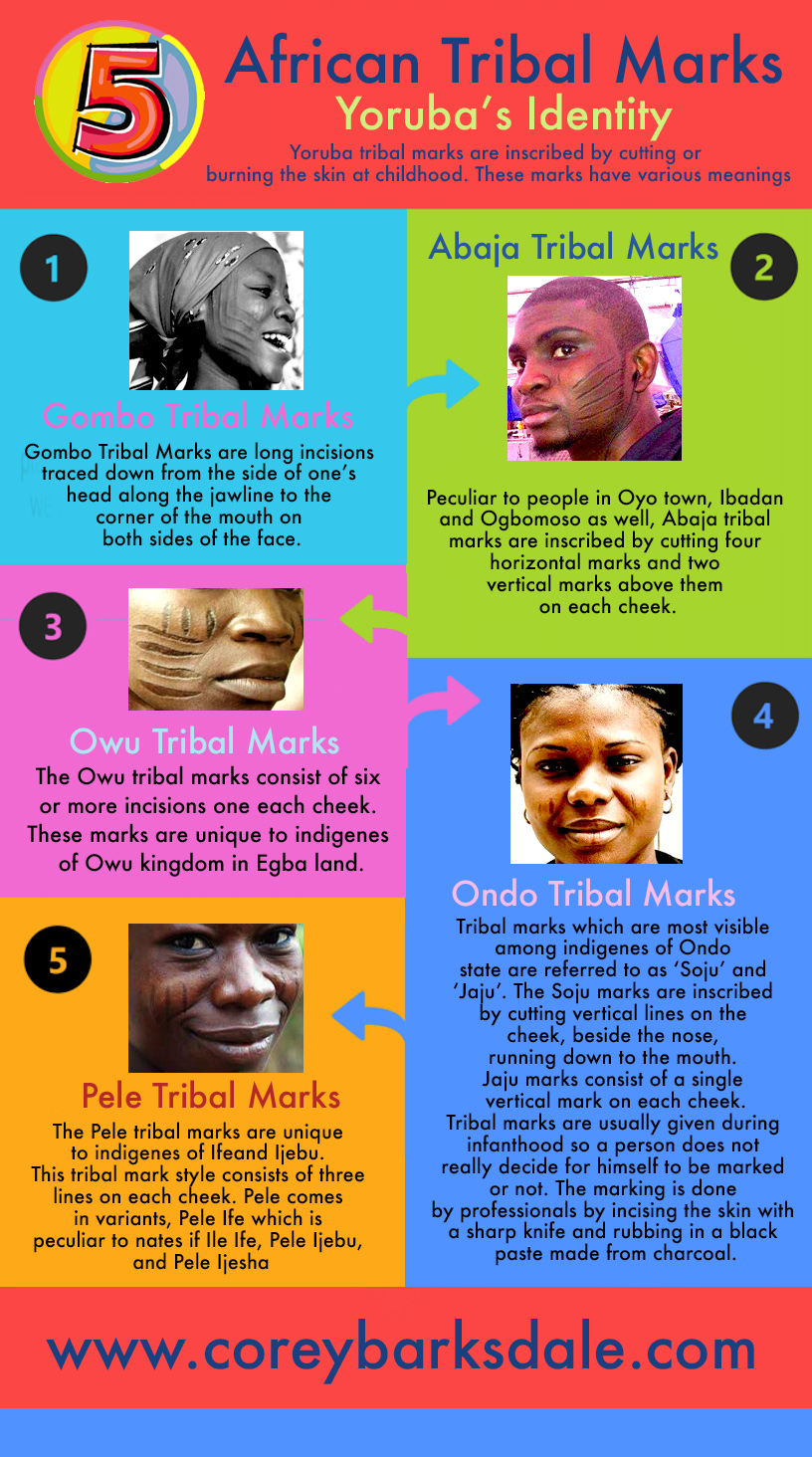
Nigeria: Africa's Giant in Culture and Commerce Nigeria, officially the Federal Republic of Nigeria, is Africa's most populous country and a leading economic force in West Africa. Bordered by Benin, Chad, Cameroon, and Niger, Nigeria stretches along the Atlantic coastline via the Gulf of Guinea. Comprising 36 states and the Federal Capital Territory in Abuja, Nigeria has a rich history of tribal kingdoms including the Yoruba, Igbo, and Hausa-Fulani. British colonization merged Northern and Southern protectorates in 1914. Nigeria gained independence in 1960 and is now a democratic secular state. Its cultural capital, Lagos, is a hotspot for Afrobeats music, fashion, film (Nollywood), and contemporary African visual art. Nigeria continues to be a global ambassador of modern African identity and innovation.
Democratic Republic of the Congo: Vast, Vibrant, and Visionary The Democratic Republic of the Congo (DRC), also known as Congo-Kinshasa, is the second-largest country in Africa and one of the most resource-rich. The DRC borders nine countries and has a coastline along the Atlantic Ocean. Formerly called Zaire, the country has experienced political upheaval but remains a critical player in Africa's cultural and economic landscape. With over 78 million residents, it is the most populous Francophone nation in the world. The DRC is rich in minerals and is known for its vibrant traditional music, sculpture, and fashion, contributing significantly to Central African and pan-African visual art movements. Cameroon: Africa in Miniature Cameroon, officially the Republic of Cameroon, is strategically located at the crossroads of West and Central Africa. It borders Nigeria, Chad, the Central African Republic, Equatorial Guinea, Gabon, and the Republic of the Congo, and lies along the Bight of Biafra. Its largest cities include Douala (economic hub) and Yaound (political capital). Known as "Africa in miniature," Cameroon showcases diverse landscapes, languages, and cultures. Home to Mount Cameroon, the tallest mountain in West Africa, and rich musical traditions like Makossa and Bikutsi, Cameroon has a deep cultural heritage. French and English are official languages, reinforcing its dual colonial legacy. With an emerging art scene and strong indigenous roots, Cameroon is a rising star in African visual and performance arts. Conclusion: Celebrating the Heart of West African Art and Culture West Africa is not only a region of historical significance and natural wealth, but also a dynamic center of contemporary African art, visual storytelling, and cultural expression. From the vibrant murals of Lagos to the sculptural traditions of the DRC and the rich textiles of Mali, the region pulses with creative energy.
Visual artists like Corey Barksdale draw inspiration from these nations, reflecting their cultural depth, resilience, and vibrancy. For those seeking to explore African American art, African heritage, and modern African identity, West Africa continues to be a powerful source of inspiration.