A Modern Art Tradition of Its Own
Brazil has produced one of the most distinctive modern and contemporary art traditions in the world, blending European influences with a color, energy, and cultural identity entirely its own. For anyone exploring art beyond the usual European and American canon, these are names worth knowing.
Tarsila do Amaral
A central figure of Brazilian Modernism in the early 20th century, Tarsila do Amaral helped define the movement's visual identity through bold color and distinctly Brazilian subject matter. Her 1928 painting "Abaporu" became a founding image of the Anthropophagic Movement, which called for Brazilian art to "devour" foreign influences and transform them into something new and native.
Cândido Portinari
One of Brazil's most celebrated painters and muralists, Cândido Portinari is known for large-scale works depicting Brazilian laborers, social struggle, and national history — including a mural at the United Nations headquarters in New York. His work carried a strong social conscience, using scale and public placement much like mural work does today.
Romero Britto
Working in a bold, pop-art-influenced style built from bright color blocks and graphic patterns, Romero Britto has become one of the most commercially recognized contemporary Brazilian artists, with work spanning painting, sculpture, and widespread public art installations.
Beatriz Milhazes
A leading contemporary Brazilian painter, Beatriz Milhazes is known for vibrant, densely patterned abstract compositions that draw on Brazilian popular culture, carnival imagery, and colonial-era decorative traditions, translated into a distinctly modern visual language.
Why This Matters Beyond Brazil
Across generations, Brazilian artists have shared a throughline: bold color, cultural specificity, and a refusal to simply imitate European or American art movements. That same commitment to a distinct, culturally rooted visual identity runs through Corey Barksdale's own African American art — proof that the strongest work often comes from artists translating their own heritage into something unmistakably their own.
Public Art and Mural Traditions in Brazil
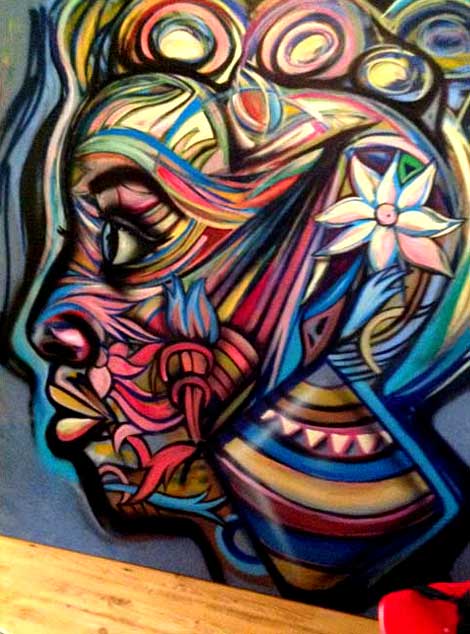
Brazil also has one of the most vibrant public mural and street art scenes in the world, particularly in cities like São Paulo and Rio de Janeiro, where large-scale murals have become woven into the urban landscape rather than treated as a novelty. That normalization of public-facing art — murals as an everyday part of city life rather than an occasional civic project — is a model many American cities, including Atlanta, continue to build toward.
A Shared Language of Color and Culture
Whether working in painting, mural, or mixed media, the throughline among these Brazilian artists is a refusal to separate personal identity from artistic style. That same principle — letting culture and heritage shape technique rather than treating them as separate subject matter — is central to how Barksdale approaches his own African American art and mural commissions.