Why Social Media Matters for a Working Artist
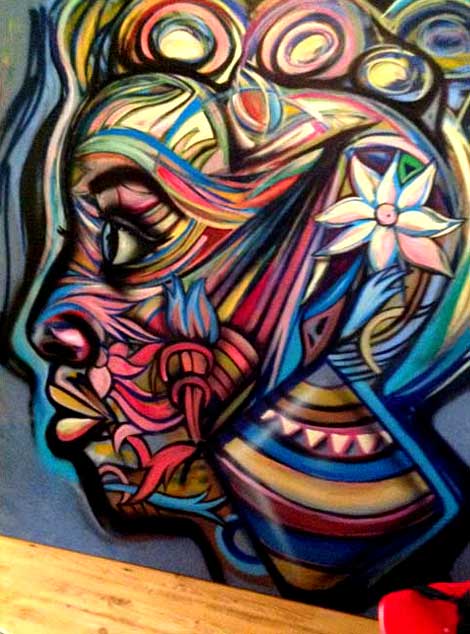
Social media can feel like a distraction from the studio, but for a working artist it's one of the most effective ways to build an audience, attract commissions, and turn a following into real opportunities. Visual content in particular travels further than text — a photo of a finished mural or an in-progress painting creates an emotional connection that a caption alone can't match, and it's what people remember and share.
Platforms like Instagram, Facebook, LinkedIn, and Behance each serve a different purpose: Instagram and Facebook build a public following and community, LinkedIn opens doors with businesses and organizations commissioning public art, and Behance functions as a portfolio for galleries, agencies, and collectors doing due diligence before reaching out. Growing your presence well means treating each platform with a plan, not just posting whenever a new piece is finished.
Build a Consistent Brand Across Platforms
Before worrying about posting frequency, get the foundation right: a consistent name, profile photo, bio, and visual style across every platform you use. A collector or client who finds you on Instagram and then checks LinkedIn should immediately recognize the same artist. Use high-resolution photos of finished work, well-lit process shots, and a bio that states clearly what you do and where you're based — for a muralist, that means naming your city and the kind of commissions you take.
Post With a Strategy, Not Just When Work Finishes
A following builds fastest when posts follow a rhythm rather than trickling in only when a mural wraps. Mixing finished-piece reveals with in-progress process shots, behind-the-scenes video, and short stories about what inspired a particular piece keeps an audience engaged between big project announcements. Relevant hashtags help new viewers find the work, but the posts that build real relationships are the ones that explain the story behind a piece, not just show the result.
Engage, Don't Just Broadcast
Growing an audience is a two-way relationship. Responding to comments and messages, engaging with other artists' and local organizations' posts, and sharing relevant community or arts-related content builds the kind of goodwill that turns followers into clients. Tracking which posts get the most engagement over time — a specific subject, color palette, or type of content — makes it easier to double down on what an audience actually responds to.
Turning Followers Into Commissions
The real value of social media growth for a working artist isn't the follower count itself — it's the pipeline it creates. A well-maintained, consistent presence is often the first place a potential client checks before reaching out about a mural or painting commission, making an active, well-curated social media presence a genuine extension of the studio practice, not a distraction from it.