The Karo Tribe of Ethiopia: A Culture Untouched by Time
The Karo tribe is an indigenous community residing in the Lower Omo Valley of southern Ethiopia. Despite the ever-expanding reach of modern civilization, the Karo have preserved their distinct cultural identity—remaining one of Africa’s most visually striking and culturally rich ethnic groups.
A Way of Life Rooted in the Land
Primarily agricultural, the Karo practice flood-retreat cultivation , growing staple crops such as sorghum, maize, and beans along the fertile banks of the Omo River. Linguistically and culturally, they are closely connected to the Hamar tribe , sharing nearly identical Omotic languages and longstanding traditions of exchange and cooperation.
Artistry on the Human Canvas
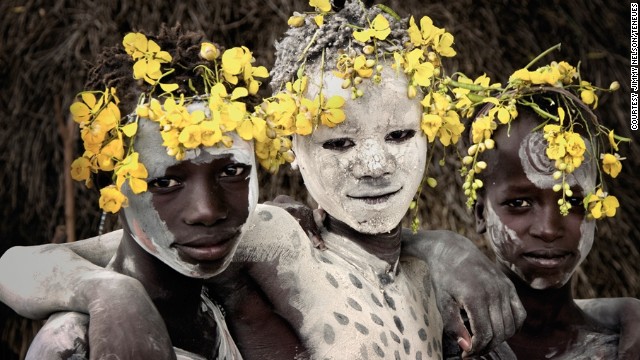
Renowned for their body and face painting , the Karo are undeniably artistic. Both men and women decorate themselves using white chalk, charcoal, yellow mineral rock, and red iron ore , creating intricate patterns with their hands or fingers. These designs range from delicate dots to bold, sweeping lines—often inspired by animal patterns like the spotted plumage of the guinea fowl.
Body painting serves multiple purposes: it is a form of self-expression, a cultural identifier , and a symbol of beauty and courtship —especially during ceremonies and social gatherings.
Scarification as a Cultural Artform
For Karo women, scarification is a powerful cultural tradition. Intricate patterns are created through deliberate lacerations on the chest, stomach, and back, resulting in raised scars that are both aesthetic and symbolic . These scars mark beauty, maturity, and status—qualities highly regarded within the community.
Tradition in Trade and Exchange
The Karo have long maintained trade relationships with neighboring tribes, bartering for cattle, beads, cloth, and food. These interactions have allowed them to maintain their livelihood while reinforcing cultural ties throughout the region
Preserving a Living Legacy
In a world where indigenous identities are increasingly under threat, the Karo remain steadfast in preserving their way of life. Their timeless traditions , especially in body art and scarification , continue to draw attention and admiration from around the globe.
Despite their modest population and limited resources, the Karo people stand as a powerful reminder of the beauty, resilience, and richness of African indigenous cultures .