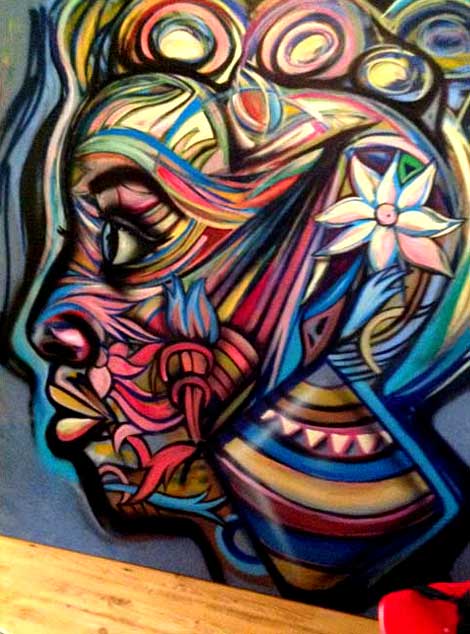
An Artist Who Broke the Rules
Jean-Michel Basquiat remains one of the most influential American artists of the 20th century, and his work still resonates decades after his death in 1988. Rising out of New York's downtown scene in the late 1970s and 1980s — first as part of the graffiti duo SAMO, then as a painter exhibiting alongside established gallery names — Basquiat broke nearly every convention about who got to be a "serious" artist and what serious art was supposed to look like.
Raw, Layered, Unmistakable Style
Basquiat's paintings are instantly recognizable: raw figures, scrawled text, repeated symbols like crowns and skulls, and a layered, almost collage-like approach that combined painting, drawing, and language in the same canvas. That rawness wasn't a lack of technique — it was a deliberate visual language, one that let him move between beauty and confrontation within a single piece.
Themes That Still Matter
Basquiat's work engaged directly with race, identity, class, anatomy, and the history of Black figures largely left out of the Western art canon — referencing boxers, musicians, and historical figures alongside anatomical diagrams and street iconography. That willingness to make race and power explicit subject matter, rather than subtext, is part of what keeps his work feeling urgent rather than dated.
From the Street to the Gallery
Basquiat's rapid rise — from anonymous graffiti tags to exhibiting alongside Andy Warhol and commanding major gallery attention within just a few years — reshaped what the art world considered a valid path into it. That trajectory opened space for artists working outside traditional academic training to be taken seriously on their own terms.
A Continuing Influence
Basquiat's combination of raw mark-making, text, and cultural symbolism continues to influence contemporary painters and muralists working today, including artists exploring African American identity and history through bold, expressive visual language. Corey Barksdale's own work — rooted in color, symbolism, and African American cultural history — draws on that same lineage of artists willing to make identity and history the explicit subject of the canvas rather than an afterthought.
Why His Work Still Sells and Still Matters
Decades after his death, Basquiat's paintings remain among the most sought-after in the contemporary art market, regularly setting records at auction. That continued demand isn't just about scarcity — it reflects how much his visual vocabulary still feels relevant, especially as more collectors and institutions actively seek out work engaging directly with race, history, and identity rather than avoiding it.
What Muralists Can Learn From Basquiat
For anyone working in mural or public art, Basquiat's work is a reminder that scale and boldness don't require polish to carry weight. His willingness to leave marks raw, text visible, and compositions unresolved-looking gave the work an urgency that a more "finished" approach might have softened — a lesson that applies directly to mural painting, where immediacy and impact often matter more than technical smoothness.