Understanding Street Art
Street art covers a wide range of styles and techniques, all sharing one thing in common: art made for public space rather than a gallery wall. Atlanta visual artist Corey Barksdale works across several of these forms, translating the same instinct for bold color and public storytelling into murals, live event painting, and gallery-ready originals.
Large-Scale Murals
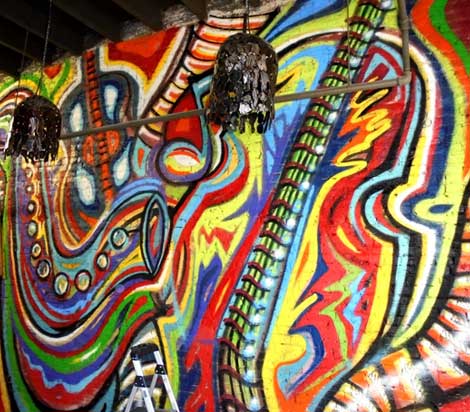
Murals are the most visible and durable form of street art — large compositions painted directly onto a wall, often commissioned by a business, organization, or city arts program. They're built to last for years and to read clearly from a distance, which shapes the bold, high-contrast style associated with mural work.
Graffiti Lettering and Wildstyle
Graffiti lettering, including the highly stylized "wildstyle" form, is one of street art's foundational techniques — interlocking letters, arrows, and shapes that reward a closer look. While often associated with unsanctioned tagging, the same lettering techniques are used in commissioned, legal mural work today.
Stencil Art
Stencil art uses cut templates to apply the same image repeatedly and precisely, often layered in multiple colors. It's prized for its sharp edges and reproducibility, and has become one of the most recognizable street art styles worldwide.
Wheatpaste and Paste-Ups
Paste-ups are artworks created on paper or other material in the studio, then adhered to a public wall using wheatpaste. This technique lets an artist work with more detail and control than is practical directly on a wall, while still bringing that work into public space.
Figurative and Portrait Murals
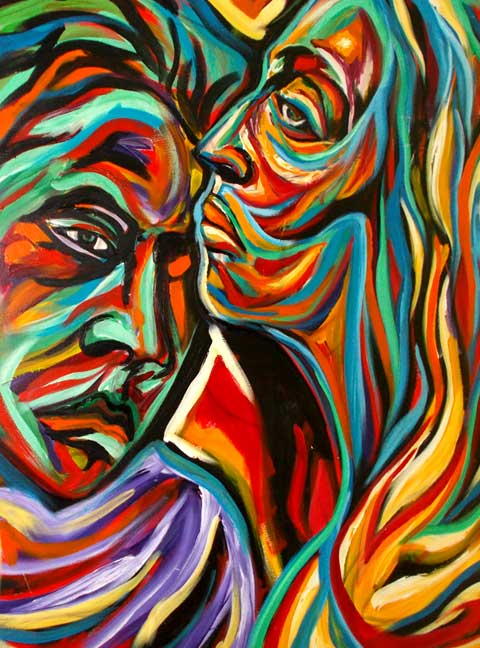
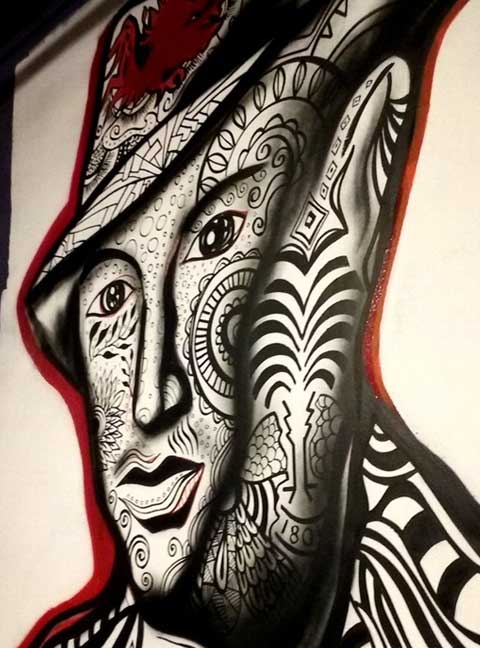
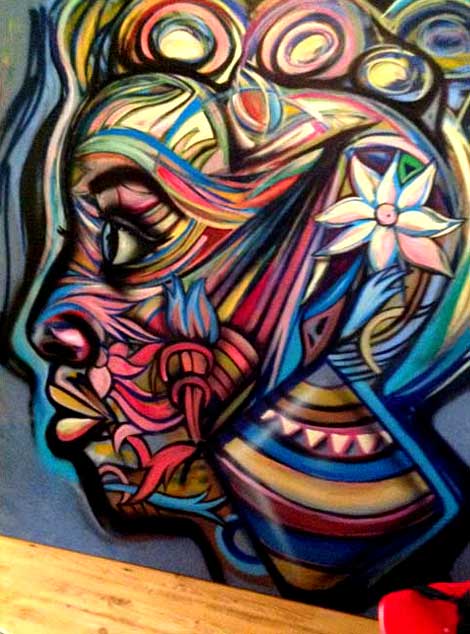
Figurative street art — portraits, historical figures, community members — brings a different kind of storytelling to public walls, often used to honor specific people or moments in a neighborhood's history. This is where much of Corey Barksdale's own mural work lives: bold, expressive portraiture rooted in Black history and culture.
Where Corey Barksdale's Work Fits
Barksdale's practice blends figurative murals, abstract color work, and live event painting — commissioned public art rather than unsanctioned street work, but drawing on the same visual language that makes street art recognizable: bold color, strong composition, and art made to be seen by everyone who passes by.