



Public Street Art
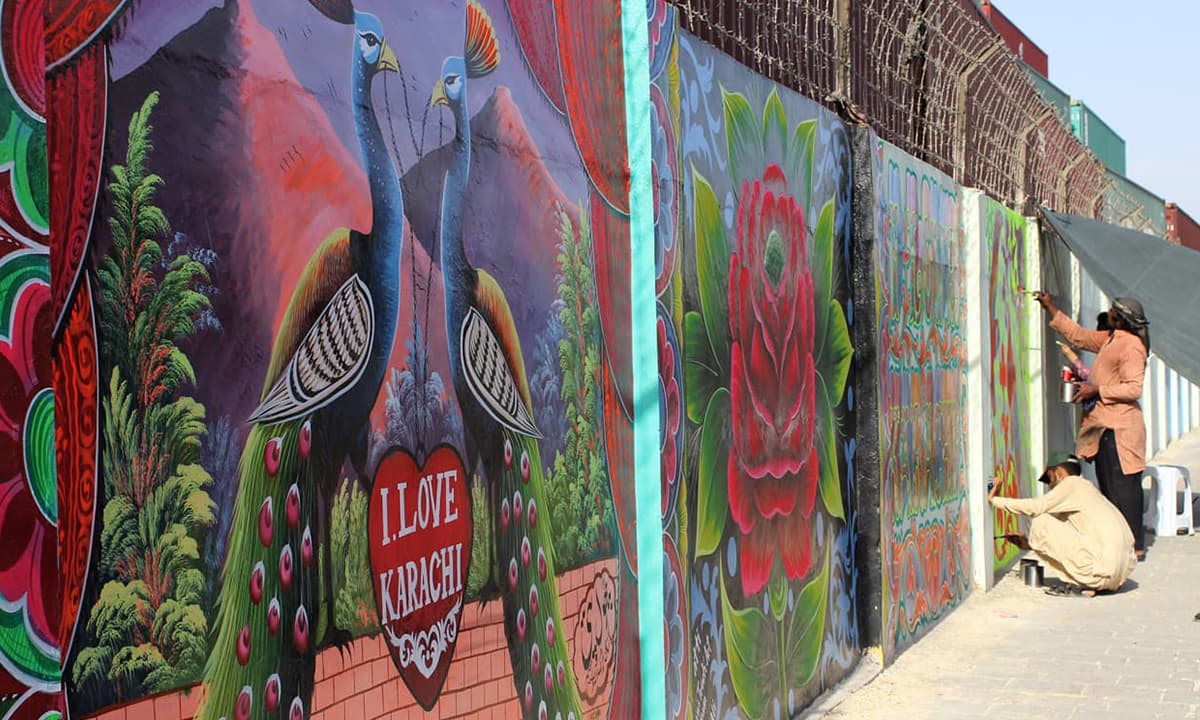
What is Street Art?
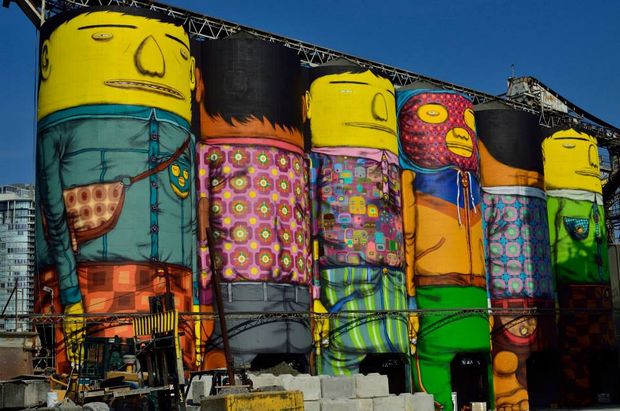
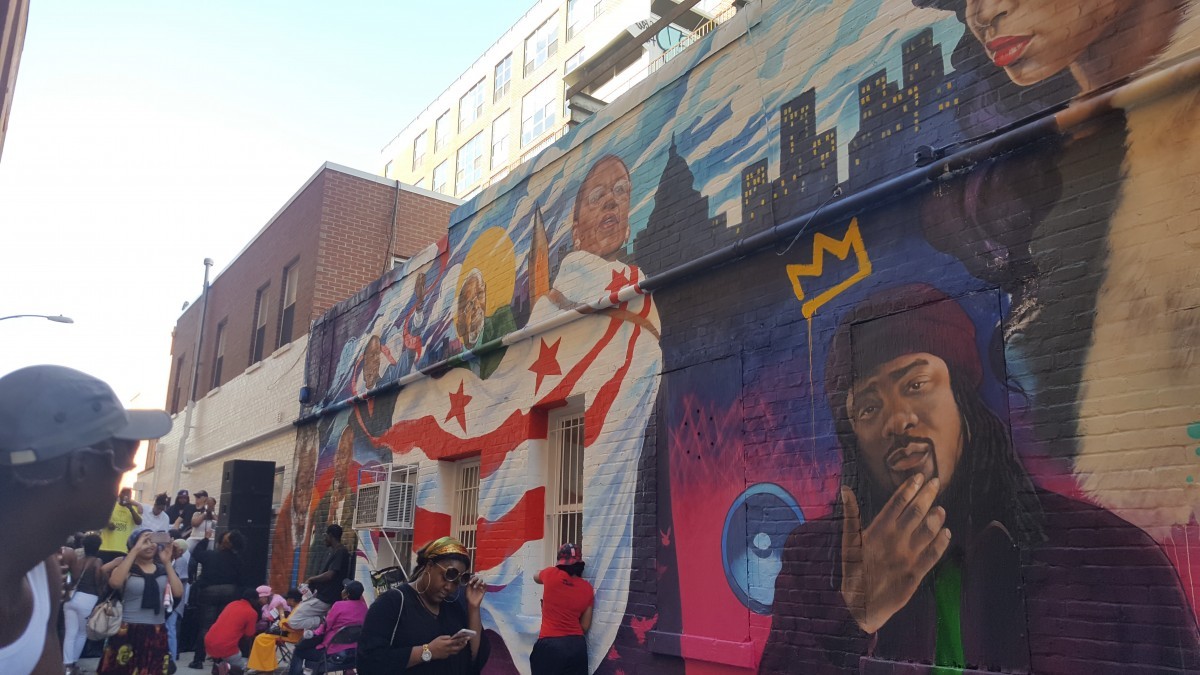
There is as yet no simple definition of street art. It is an amorphous beast encompassing art which is found in or inspired by the urban environment. With anti-capitalist and rebellious undertones, it is a democratic form of popular public art probably best understood by seeing it in situ. It is not limited to the gallery nor easily collected or possessed by those who may turn art into a trophy.

Considered by some a nuisance, for others street art is a tool for communicating views of dissent, asking difficult questions and expressing political concerns.
Its definition and uses are changing: originally a tool to mark territorial boundaries of urban youth today it is even seen in some cases as a means of urban beautification and regeneration.
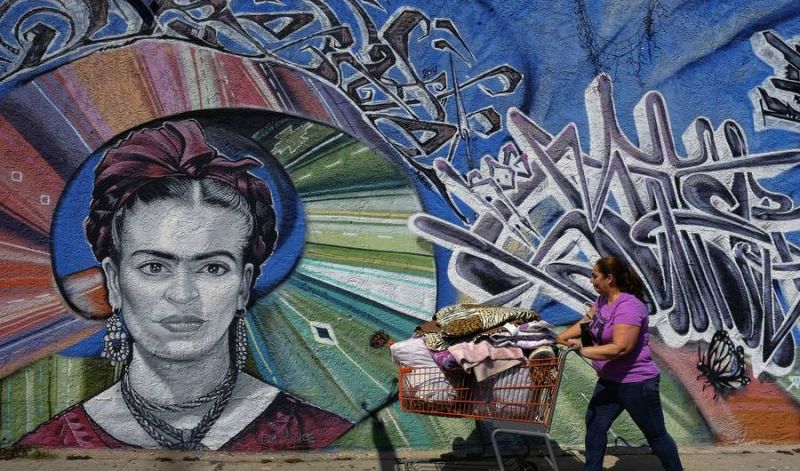
Whether it is regarded as vandalism or public art, street art has caught the interest of the art world and its lovers of beauty.
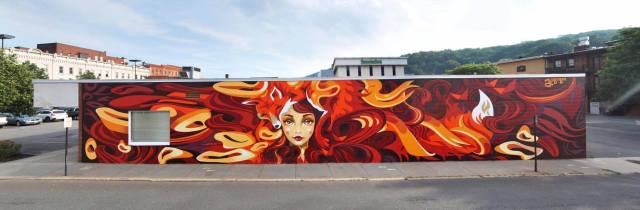
Is street art vandalism?
In an interview with the Queens Tribune, New York City’s Queens Museum of Art Executive Director Tom Finkelpearl said public art “is the best way for people to express themselves in this city.” Finkelpearl, who helps organize socially conscious art exhibitions, added, “Art gets dialogue going. That’s very good.” However, he doesn’t find graffiti to be art, and says, “I can’t condone vandalism… It’s really upsetting to me that people would need to write their name over and over again in public space. It’s this culture of fame. I really think it’s regrettable that they think that’s the only way to become famous.”
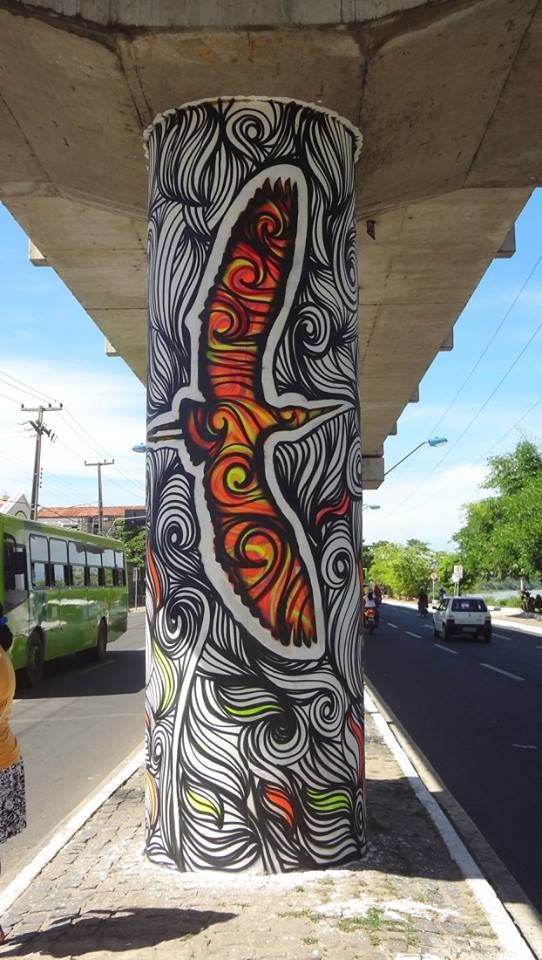
Is street art illegal?
The legal distinction between permanent graffiti and art is permission, but the topic becomes even more complex regarding impermanent, nondestructive forms of graffiti (yarn bombing, video projection, and street installation.)
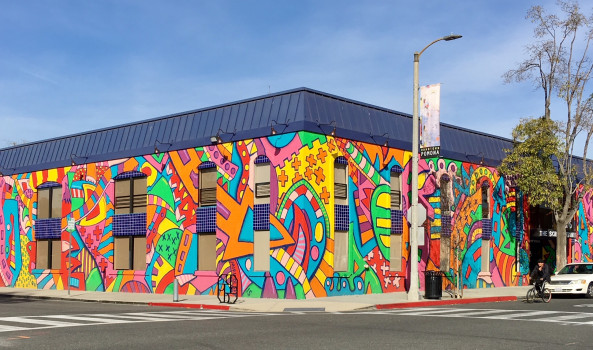
With permission, traditional painted graffiti is technically considered public art. Without permission, painters of public and private property are committing vandalism and are, by definition, criminals. However, it still stands that most street art is unsanctioned, and many artists who have painted without permission, (Banksy, Shepard Fairey) have been glorified as legitimate and socially conscious artists.
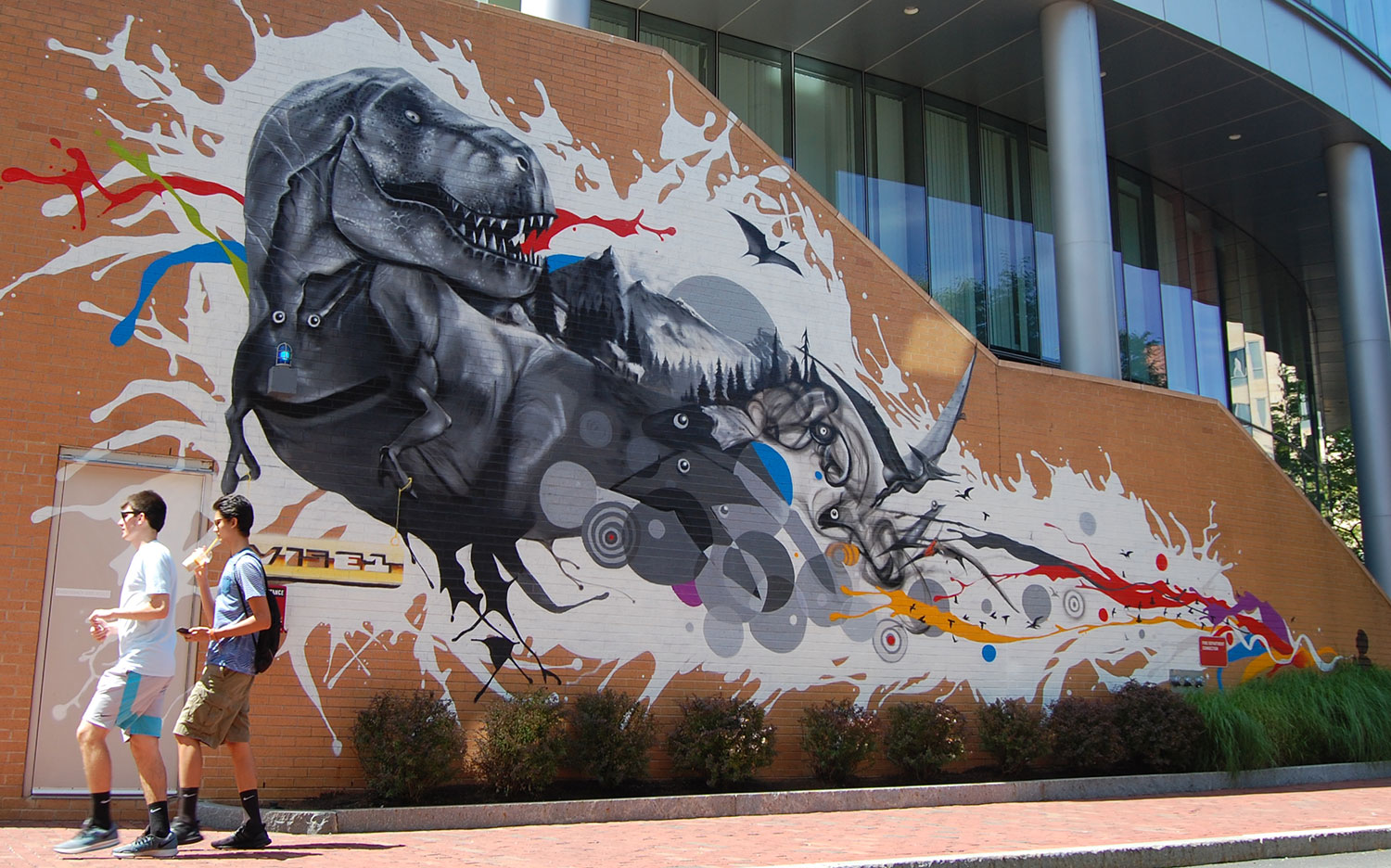
Although it is extremely difficult, if not impossible, to clearly define what unsanctioned imagery is art and what is not, the effects of such images can be observed and conclusions can be reached regarding images’ function within a public environment.